Why the Mondrian Estate Chose Doodles to Reinterpret Its Most Iconic Works for the Digital Era
The Piet Mondrian Estate / Holtzman Trust has spent more than eight decades protecting one of the most influential bodies of work in modern art. Piet Mondrian’s geometric compositions, built from vertical and horizontal lines, primary colors, and precisely balanced white space, shaped how the modern world looks: the logic behind architecture, product design, fashion, and the underlying grid of nearly every digital interface in existence. Deciding what gets to touch that legacy is not a decision the Trust makes lightly.
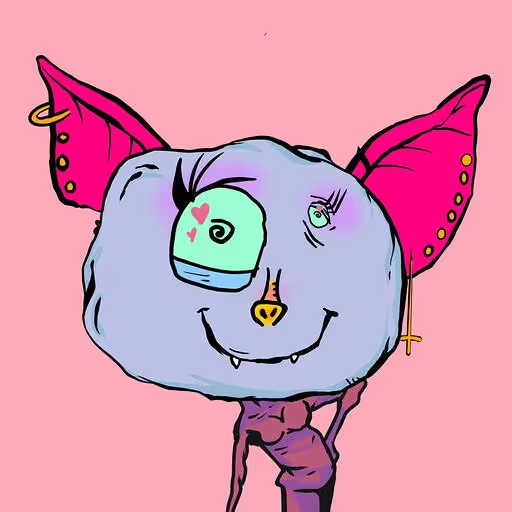
Which makes what just happened significant. For the first time in the Estate’s history, the Trust has approved a collaboration that reimagines Mondrian’s original compositions. The partner is Doodles, the entertainment company behind culture-defining collaborations with McDonald’s, Adidas Originals, Kellogg’s, AriZona, and G-SHOCK, with licensed fine art platform ElmonX bringing the project to market. Piet Mondrian x Doodles opens on OpenSea on June 4 across three drops: the Collector Blind Box, Coated Pink, and Focused.
The right partner at the right moment
ElmonX Co-Founder Jacob Elmon secured the license with the Piet Mondrian Estate / Holtzman Trust some time ago, but the platform was deliberate about finding the right creative partner before moving forward. "We were never going to rush it," Elmon said. "It had to be someone who understood the work, not just the aesthetic but the structure, the balance, the discipline behind it."
For Burnt Toast, the co-founder and artist of Doodles, the weight of that trust was not lost. “Piet Mondrian built a visual language so iconic that it’s still being remixed a century later, from streetwear to architecture and everything in between,” he said. “Being trusted by the Estate to work with that legacy, and reimagine these works for the first time in history, is not something I take lightly. I'm honoured to help bring Mondrian to a new age of collectors.”
For Elmon, it was immediately clear. "Their visual language, the colour, the energy, the playfulness, sits so naturally alongside Mondrian's grids that it felt less like a brand collaboration and more like a creative conversation that was always meant to happen."
For the Estate, the decision came down to both creative trust and audience. Madalena Holtzman, Trustee of the Piet Mondrian Estate / Holtzman Trust, was direct about what she saw in the partnership. "We don't lend Mondrian's name to just anything," she said. "This had to feel right." The collaboration, in her words, is "perfect for engaging younger adults" given Doodles' reach across music, entertainment, and culture. "This collaboration puts his name and his work directly in front of a younger global audience, and that keeps his legacy firmly relevant in the digital age."

Structure stays, everything else is new
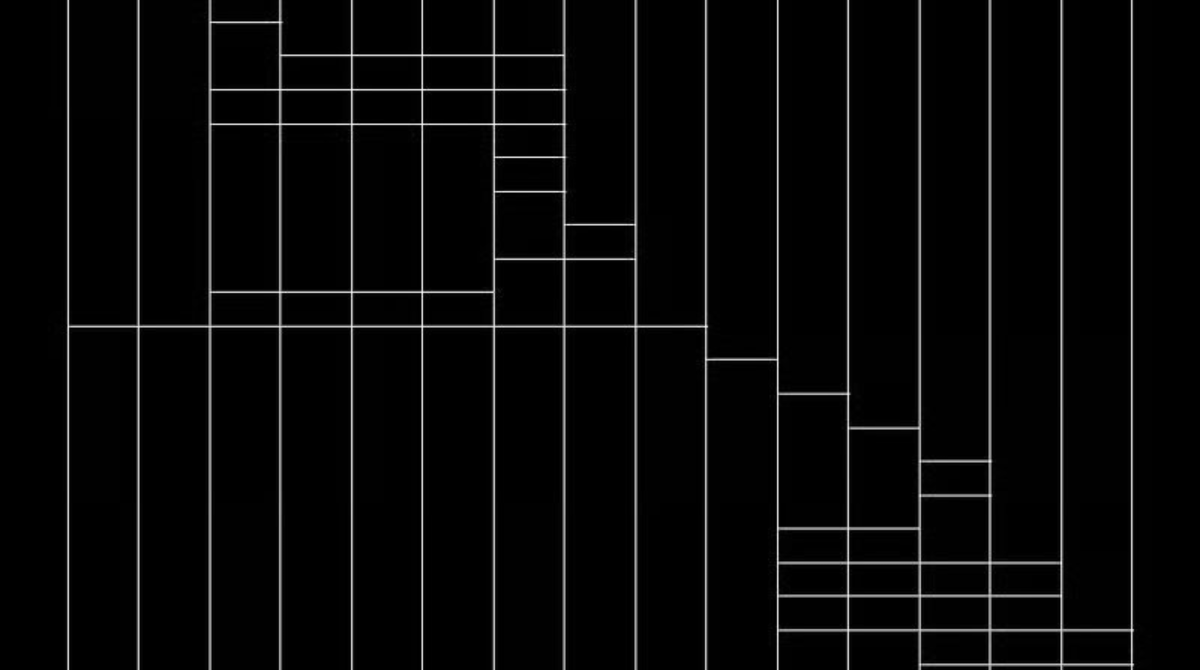
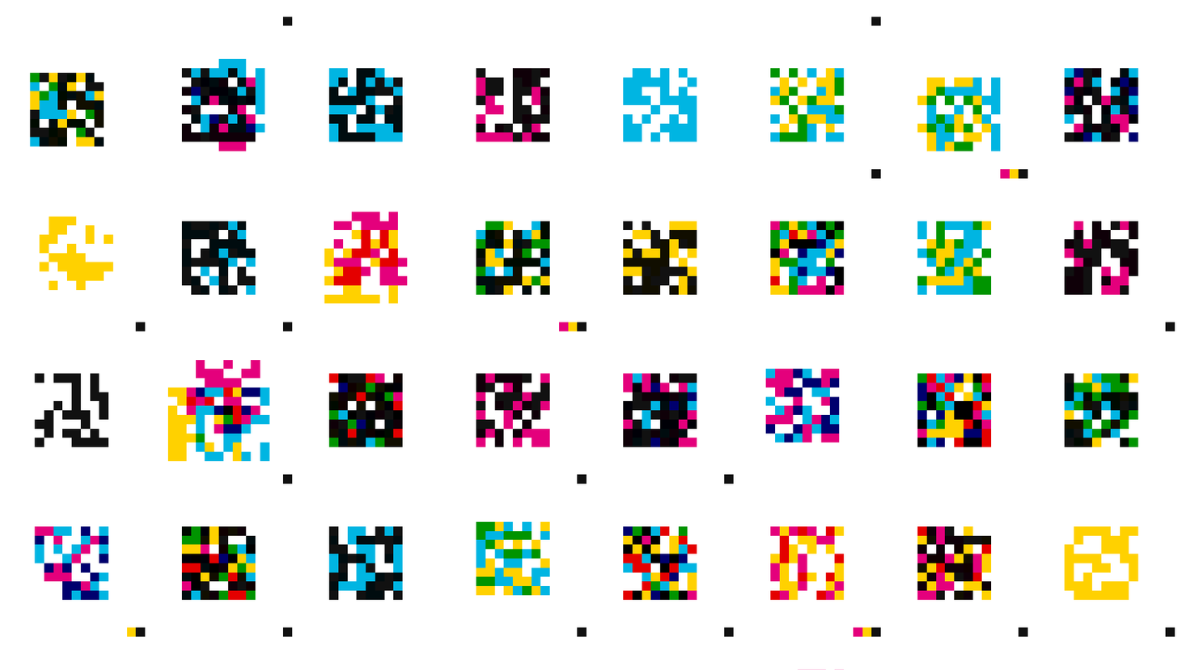
Five of Mondrian’s compositions were selected for the collection, spanning his mature career. Mondrian’s compositional logic holds. The asymmetric placement of weight, the proportional relationships between rectangles, the tension of balanced elements stay intact. Mondrian's precision meets Doodles' color, character, and playful energy. The structure stays. The balance stays. Everything else is new.
The five Mondrian works are Composition with Grid 9: Checkerboard Composition with Light Colors (1919), Composition with Red, Black, Blue, and Yellow (1928), Composition with Red, Blue and Yellow (1930), Composition No. 10, with Blue, Yellow, and Red (1939–42), and Victory Boogie Woogie (1942–44).
Victory Boogie Woogie and what it means that it’s included
The last of these carries weight the others don’t. Mondrian moved to New York City in 1940, where the energy of Manhattan’s grid and the rhythm of boogie-woogie jazz informed his late paintings, including the unfinished Victory Boogie Woogie. Mondrian died in 1944 with the painting still in progress, his final unfinished masterpiece.
The Estate’s willingness to include it in this collection is the strongest signal that this partnership was treated as something deliberate. The Trust’s decision to allow its reinterpretation speaks to the level of care it recognized in Doodles’ approach.
For Elmon, it’s the piece that defines what the collection is really about. "The fact that it's unfinished actually makes it one of the most exciting pieces in the collection, because there's a natural openness to it that feels very much in tune with how digital culture works. It's a conversation with the work, not a conclusion."
Two collector worlds, one collection
The infrastructure making this possible is ElmonX, founded in 2020 by Brandon and Jacob Elmon. The platform specializes in licensed fine art digital collectibles, with previous releases involving works associated with Leonardo da Vinci, Van Gogh, Monet, Rodin, Hokusai, and Edvard Munch.
The Doodles community and the Mondrian Estate’s traditional audience, galleries, museums, institutional collectors, don’t typically share space. “Our audience and the Doodles community don’t normally overlap,” Holtzman noted, “and that’s exactly why this works. We bring the institutional art world, the galleries, the museums, the traditional collectors. Doodles brings a global digital community that engages with art in a completely new way. Bridging those two worlds creates something genuinely exciting.”
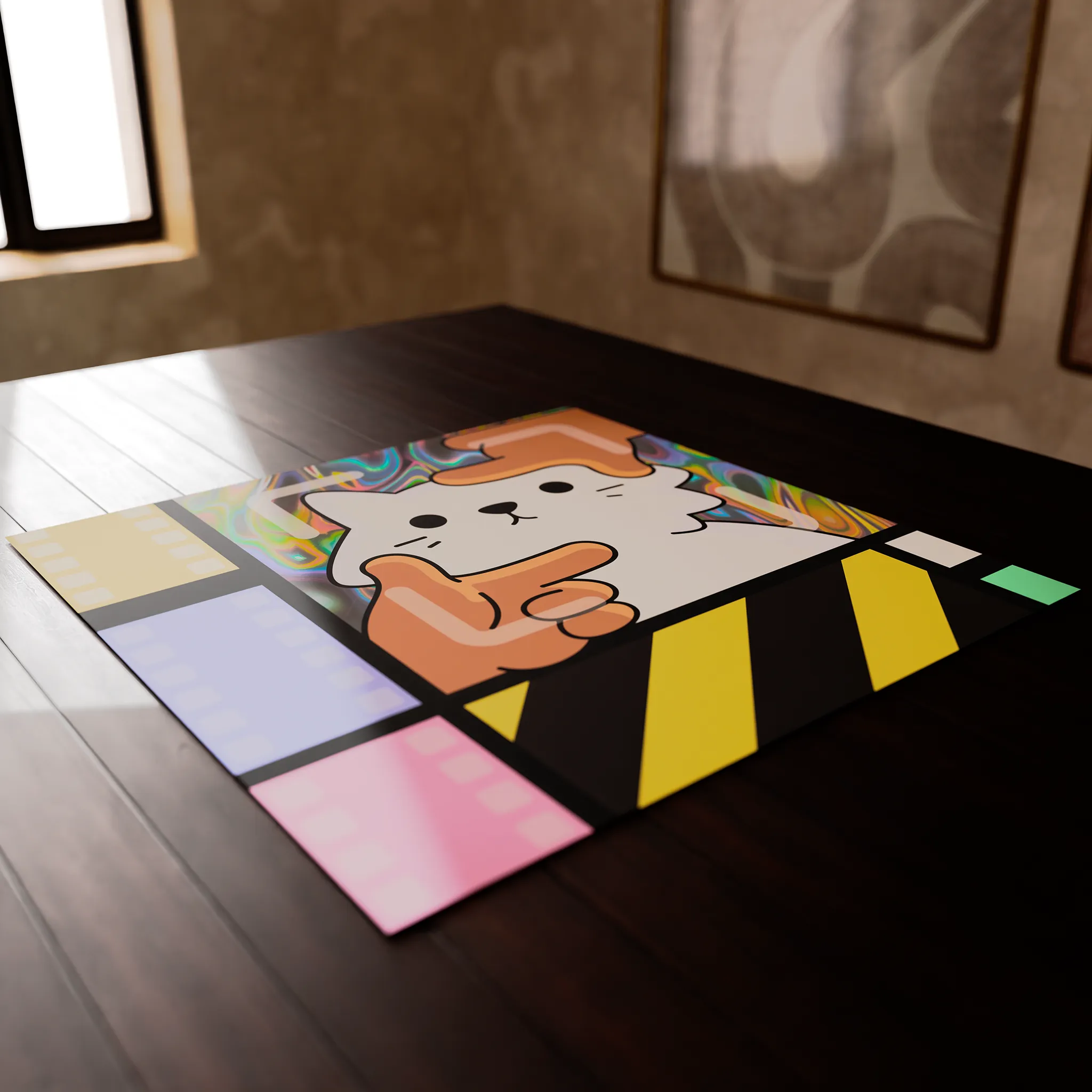
The physical print component is where that bridge gets tangible. Collectors of one of the limited-edition digital pieces can redeem a museum-quality physical screenprint produced by ElmonX, something that lives on a blockchain and something you can hang on a wall, issued together.
The collection
Piet Mondrian x Doodles is available on OpenSea on June 4 in two formats. The Blind Box (555 editions) contains all five reimagined compositions as digital collectibles. Two limited-edition digital collectibles paired with redeemable museum-quality physical screenprints are also available, 300 editions total and 150 per piece, featuring Composition with Red, Black, Blue, and Yellow (1928) and Composition with Red, Blue and Yellow (1930). Of the physical print run, 20% is screenprinted on holographic foil paper (250gsm) and 80% is a screenprint halftone on 300gsm paper. Physical prints are redeemed through ElmonX.
Disclaimer: This content is for informational purposes only and should not be construed as financial or trading advice. References to specific projects, products, services, or tokens do not constitute an endorsement, sponsorship, or recommendation by OpenSea. OpenSea does not guarantee the accuracy or completeness of the information presented, and readers should independently verify any claims made herein before acting on them. Readers are solely responsible for conducting their own due diligence before making any decisions.