
Welcome to the OpenSea digest. Let’s look back through the biggest NFT and web3 news of the week.
Art Basel goes all-in on digital art
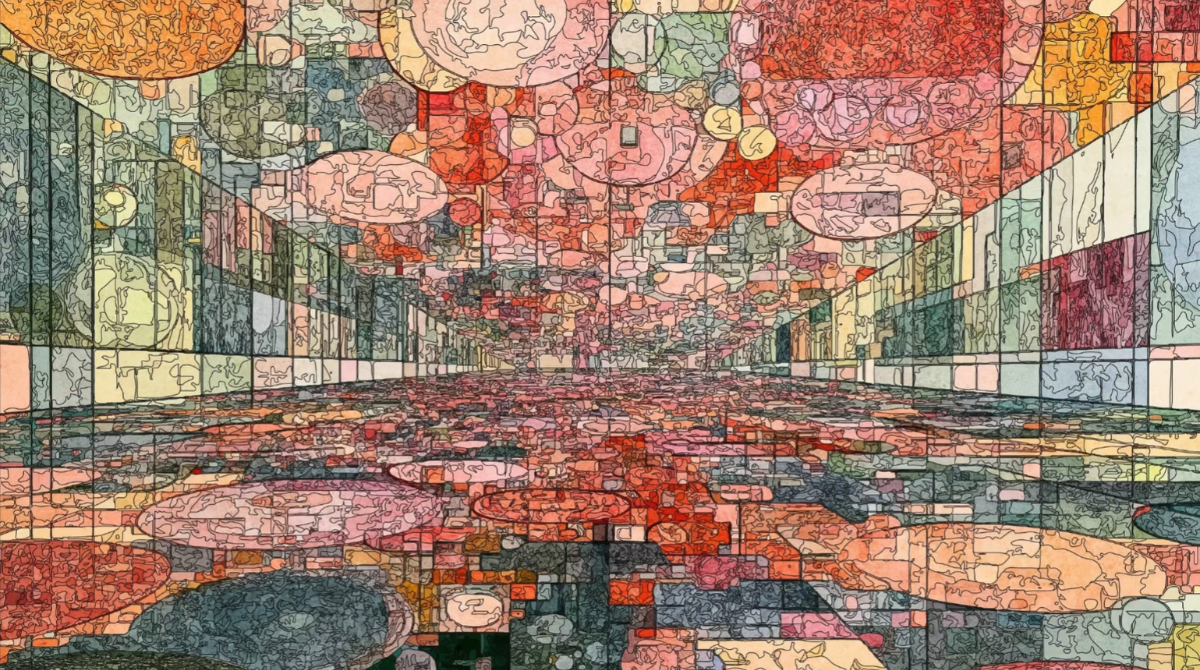
Art Basel, the world's largest annual art fair, opened in Basel this week with a full embrace of screen-based, code-generated and AI-created work.
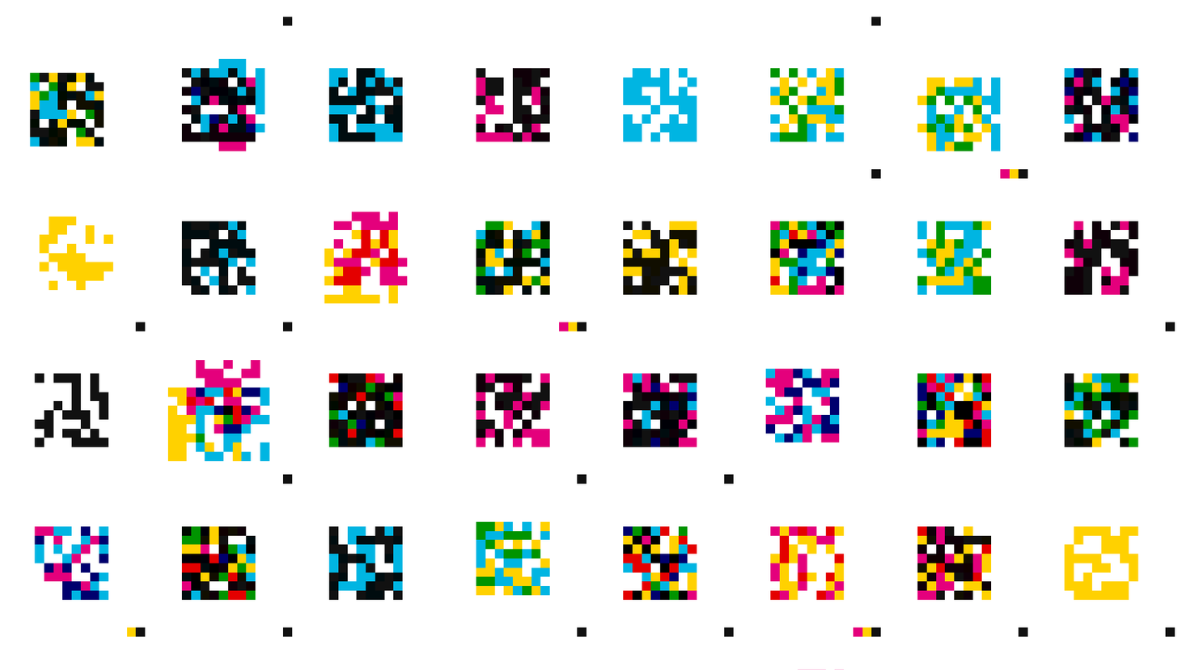
One highlight is Zero 10, a dedicated digital art exhibition across the street from the main fair, making its Swiss debut after premiering in Miami last December. Artist-coder Eko33's "Specular Cortex," a collection of 250 unique originals built from artist-written code, also dropped alongside the fair.
According to Reuters, digital art now accounts for 3% of the $59.6 billion global art market, up from 1% in 2024.
MegaETH launches MOSS, the first AI-compatible crypto wallet
Real-time blockchain network MegaETH released MOSS this week, a crypto wallet built specifically for AI agents, meaning software programs that execute financial transactions automatically on a user's behalf.
Before MOSS, those agents either needed full access to a user's private key, the password-like code that controls a crypto account, or required manual approval for every transaction.
MOSS reportedly lets users set spending rules in plain language, like "trade up to $500 a day" or "only use this one platform," and the AI operates within those boundaries without interrupting the user each time. Authorization can be revoked instantly, and one MOSS wallet covers multiple platforms simultaneously.
Pudgy Penguins shuts down mobile game, hints at trading card game
Popular NFT collection and brand Pudgy Penguins shut down its mobile game Pudgy Party on June 12, stating that it will redirect resources to Pudgy World, its web-based gaming platform.
Pudgy Party hit No. 1 on the App Store and crossed 1 million downloads before the team pulled the plug, citing Pudgy World's stronger long-term potential for storytelling and scale.
On June 18, the brand teased what appears to be a Pudgy trading card game by posting a short video clip of an illustrated card sliding down a snowy hill. No release details have been confirmed.
Epic Games plans to let Fortnite skins work across multiple games
Epic Games, the studio behind the massively popular shooter Fortnite, announced that its upcoming game development engine Unreal Engine 6 will let players carry their Fortnite skins, meaning the character costumes they've purchased, into other games built on the same engine.
Developers who build games with Unreal Engine 6 will also be able to design their own skins that work inside Fortnite.
No release date for Unreal Engine 6 has been confirmed.
Allbirds is now Smartbird
Allbirds, the San Francisco footwear brand behind the wool sneaker, completed the sale of its shoe and apparel business this week and relaunched as a rebranded company.
The new brand, Smartbird, builds dedicated computing clusters, meaning the specialized hardware that runs AI workloads for enterprise clients.
The company named Nadia Carlsten, former CEO of GPU infrastructure firm DCAI and an Amazon Web Services veteran, as its new president and CEO.
Smartbird also reportedly doubled its convertible financing facility, a funding mechanism where investors can convert loans into company stock, from $50 million to $100 million to bankroll the build-out.
Disclaimer: This content is for informational purposes only and should not be construed as financial or trading advice. References to specific projects, products, services, or tokens do not constitute an endorsement, sponsorship, or recommendation by OpenSea. OpenSea does not guarantee the accuracy or completeness of the information presented, and readers should independently verify any claims made herein before acting on them. Readers are solely responsible for conducting their own due diligence before making any decisions.