Jiwa is a Berlin-based artist who works with code to create moving, expressive digital works that center the human experience within technology. Blending programming with drawing and painting, Jiwa explores how emotion, imperfection, and accessibility shape the evolving relationship between art and the digital world.
This interview took place at the Hotel Saint George Hall during Marfa Art Blocks Weekend, where Jiwa shared insights on generative art’s unpredictability, the meaning of permanence, and how portraiture has become a way to connect technology, community, and human presence.
Note: This interview has been transcribed for length and clarity.
OpenSea: We’d love to start with an introduction. Can you tell us about yourself and your work?
Jiwa: I'm Jiwa, an artist working with code. I live in Berlin and I like to make pixels move. I see my practice as an effort to ensure that humanity isn't lost in technology. I work from the human side of things, using technology to tell those stories.
OpenSea: You've been creating art for years across digital and physical mediums. How did your journey into generative art begin, and how has it evolved with recent technological changes?
Jiwa: I'm part of a later wave of generative artists, and I have a lot of gratitude for Art Blocks and the generative artists who were releasing in 2021. I've been coding for 20 years, also drawing, making music, and doing spray paint art. But it wasn't until 2021 that I saw how people were using code to create art. That was the moment for me, and I haven't looked back since. Before that, I was making creative websites that didn't have as much utility as normal websites, but seeing the explosion in 2021 showed me what was possible — combining code to create fine art in the digital realm.
OpenSea: Generative art introduces unpredictability into the creative process. What draws you to the tension between control and lack of control?
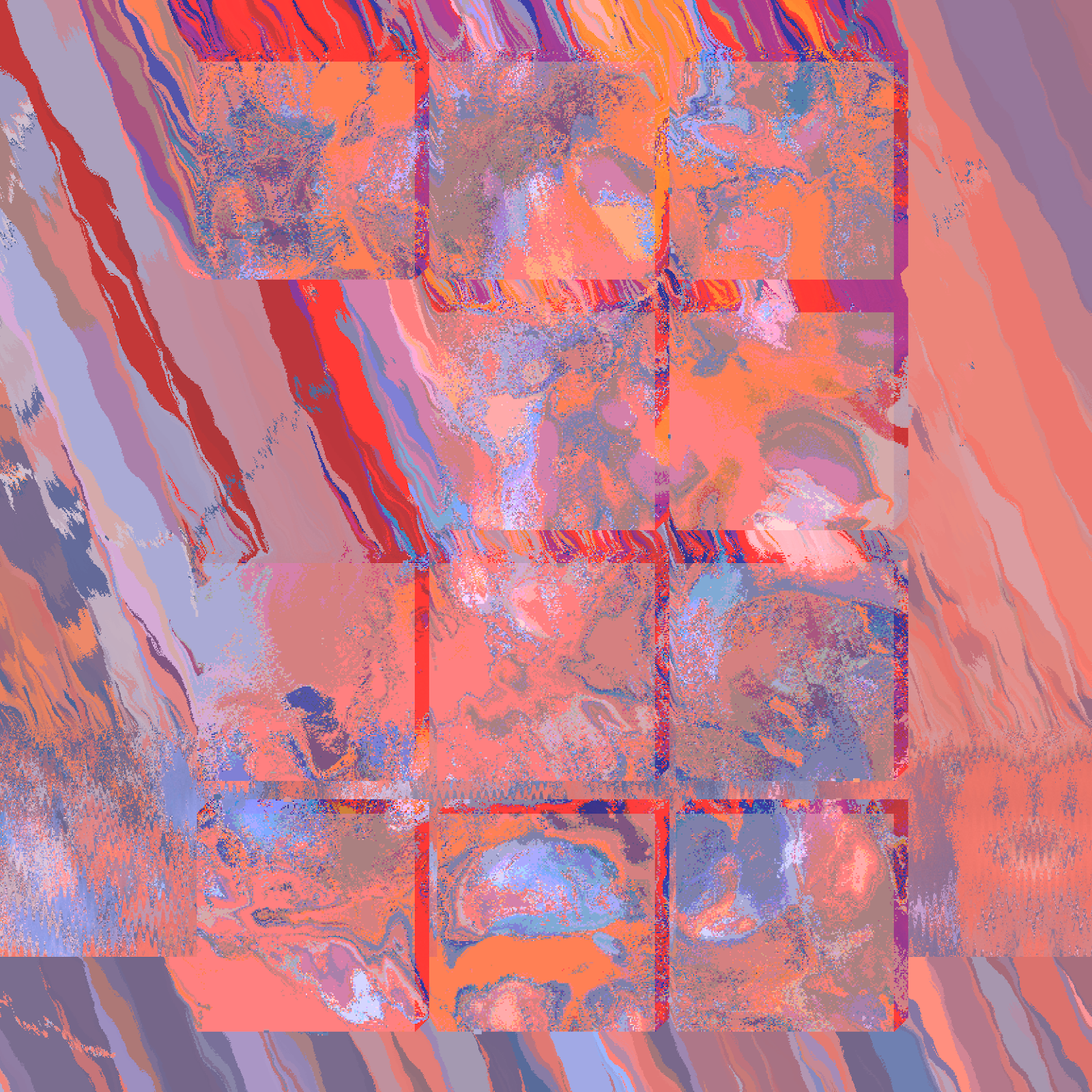
Jiwa: One of the most exciting things in art making is emergence, not knowing exactly what's going to happen. As an artist working with code, I am coding for a specific outcome, to create a visual aesthetic in line with my concept. But it's amazing to be surprised. Every time you create a new piece, you can be surprised by what happens. There are two aspects: including randomness in the algorithm so each time you refresh or mint a new piece, you get a different outcome, and also the surprises that come from the process itself. Sometimes I write something that creates a visual outcome I didn't expect, but I love it. Letting go and following the thread of ideas allows for magic and excitement in the work.
OpenSea: When creating generative art, it can be hard to know when a piece is finished. What tells you that a piece is done?
Jiwa: Many times, it's a deadline, depending on the medium. But if I don't have a deadline, I love to work that way and just see where it goes. It's a feeling, and it takes time. The last 20% of the work can take 80% of the effort. Fine-tuning takes a lot of energy, but when I go through all the outcomes and I'm excited and happy with what I see, I know I'm close. I try not to overwork it, because you can take away from something beautiful by doing too much. Creating a generative algorithm is a huge challenge, you have to balance wild outliers with limiting outcomes you don't like. Once I like what I'm seeing across the board, it's usually time to stop. You want the algorithm to have a bit of chaos so you and others can be surprised by the work. Sometimes there are things that aren't my favorite, but someone else might love them. Knowing when to stop is tricky, but for me, it's a feeling and an energy that rises up when it's time to share the work with the world.
OpenSea: Sometimes the things that are your favorite aren't the favorites of people interested in your work. Is that surprising to you?
Jiwa: It's always a little surprising when someone else really likes something that isn't my favorite. Over the last few years, I've gotten better at knowing when something is subjective and when it needs to be changed. There are two aspects: sometimes a color palette or combination isn't my favorite, but if I limited those, it might throw off the whole piece and someone else could love it. If something doesn't look clean or finished, then it needs to be addressed. It's a trick of the trade that comes with experience.
OpenSea: A concept that comes up a lot is permanence, especially with the blockchain. How does permanence play into your practice?
Jiwa: For me, part of permanence is accessibility. If something is going to be permanent, many different people will access and see it over the years. It's important to me that the work functions well across all devices. As technology expands, I want the work to be accessible to others. As an artist, I try not to get too caught up in the idea that something will live forever. Each piece captures where I am in my practice at a given time. Artists often look back at previous works and may not like them anymore, but I focus on where I am now. Another aspect of permanence is putting work onchain, which gives a level of permanence as long as the blockchain exists. Traditionally, artists don't worry much about permanence; it's the collectors and institutions that preserve and archive the work. If the work is meant to last, people will find a way to make that happen.

OpenSea: Will you talk about your portrait project and how it fits into your practice right now?
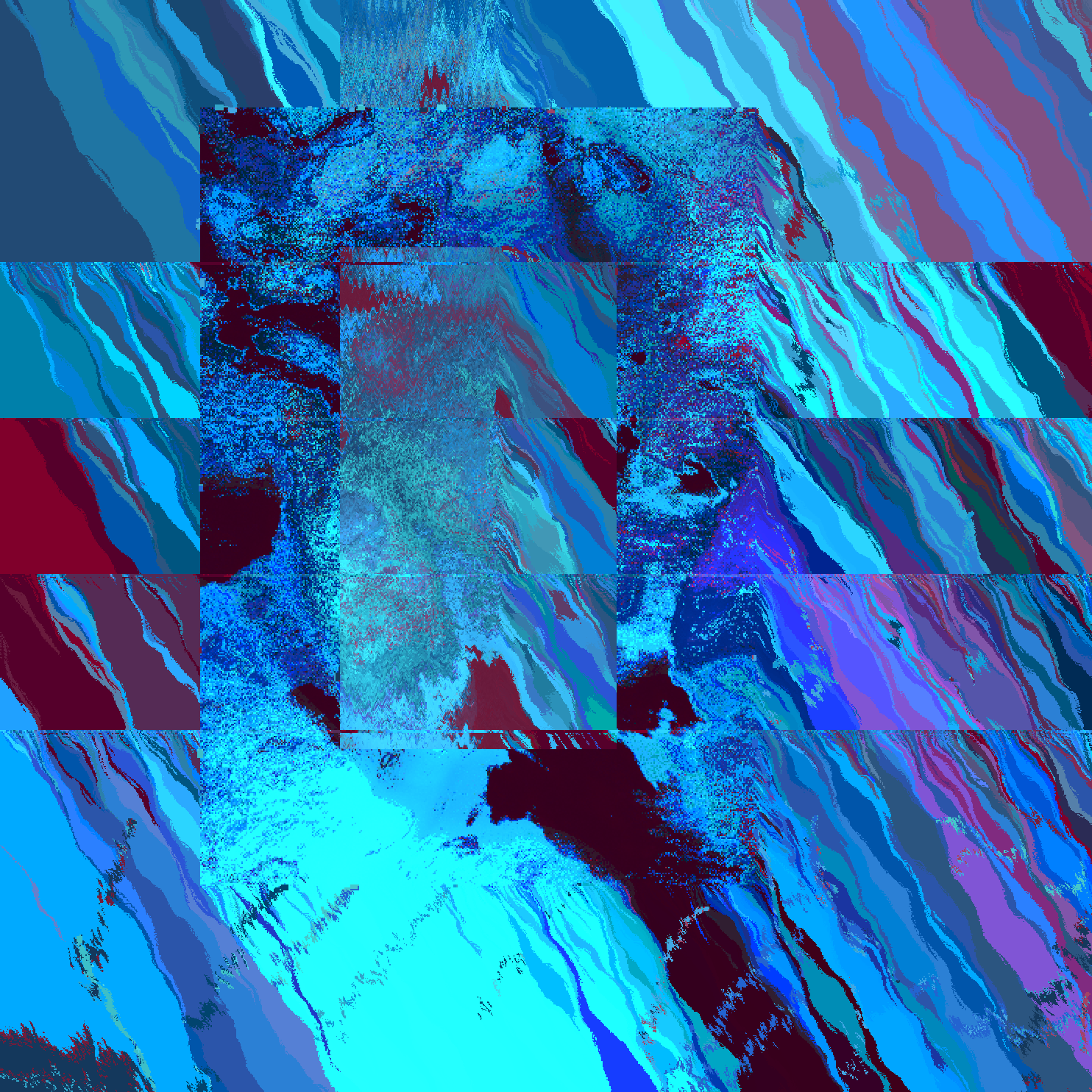
Jiwa: I've done fully onchain projects and will continue to explore those, but I wanted to be a bit more free and combine drawing and painting techniques with code. It helps me break out of the rigidity of having an algorithm do everything. I can make my own rules for my art practice. The portrait project comes from a year and a half to two-year journey of figuring out how to combine drawing by hand with coding. I've released works along the way that explore this path, but this project is something I'm really excited about. Coming to Marfa weekend is all about the people and community. Sitting down with someone and sharing an intimate moment is special. In portraiture, you get to study someone's face and mannerisms and talk with them. Creating that connection is important, and in the spirit of Marfa and what Art Blocks has done, I wanted to capture the community. The inspiration behind the portraiture is combining my personal, authentic expression by hand with code in an interesting way.
OpenSea: What does it mean for you to come back to Marfa after doing the residency here, especially with your family?
Jiwa: We love traveling together as a family. It's important for us to stick together, and with events happening all over the world, I don't want to miss precious moments with them. Being back in Marfa is amazing. It's like a family reunion every time we come here, but Marfa is different because it's the one time of year you can count on. People come from all over the world to be here for a few days in the desert. Marfa is special. Being here for six weeks during the artist residency allowed us to become familiar with the town and meet many people. We feel like we have some roots here. My two-and-a-half-year-old gets excited when we say we're going to Marfa. I wouldn't call it a second home, but we feel at home here. We made memories living in the casita behind the Art Blocks gallery, and that was our home for six weeks. It's special, and we'll try to make it back every year.
OpenSea: What a nice note to end on. Thank you so much.
Jiwa: Thank you.
Disclaimer: This content is for informational purposes only and should not be construed as financial or trading advice. References to specific projects, products, services, or tokens do not constitute an endorsement, sponsorship, or recommendation by OpenSea. OpenSea does not guarantee the accuracy or completeness of the information presented, and readers should independently verify any claims made herein before acting on them. Readers are solely responsible for conducting their own due diligence before making any decisions.