Ben Kovach is a generative artist based in Williston, Vermont, whose work explores the space between structured systems and spontaneous outcomes. Drawing on influences from both minimalist and maximalist traditions, his practice blends mathematical structure with visual intuition, using the Haskell programming language to build generative systems that evolve into complex, often large-scale artworks.
This interview took place at the Hotel Saint George Hall during Marfa Art Blocks Weekend, where Ben Kovach shared how code, color, and community shape his creative process and why Marfa continues to be a meaningful place for connection and inspiration.
Note: The following interview has been edited for length and clarity.
OpenSea: Can you tell us about yourself and your work?
Ben Kovach: I'm Ben Kovach. I'm a generative artist from Williston, Vermont.
OpenSea: You've said before that randomness still surprises you in your own work. What draws you to that tension between control and unpredictability?
Ben Kovach: I love using a computer to make artworks, specifically because it allows me to inject a random element into my work. If I was doing a drawing or even a digital drawing, it's just that one thing. This tradition started with the Dadaists, and I find a lot of inspiration in discovering what a system can do rather than building up a single image.
OpenSea: Really interesting. Do you find yourself influenced by, other than the Dadaists, any specific art periods?
Ben Kovach: The abstract expressionists are a big influence for me. Joan Mitchell and Jackson Pollock were big influences early on. I also love [Jean-Michel] Basquiat and his almost collage approach to art, building these maximalist landscapes. My work draws inspiration from both the minimal and the maximal. Computers can do both things really well. You can create a very simple system, but you can also take a simple system and stretch it out because computers are quite powerful. I draw inspiration from minimalist artists like Josef Albers, but also from maximal artists like Basquiat and Pollock.

OpenSea: It's interesting how there's not an either-or with loving those styles. You can love them both and incorporate them into your work. How cool to have both as major influences. Tell me a little bit about your process right now in actually creating. What does it look like for you at the moment?
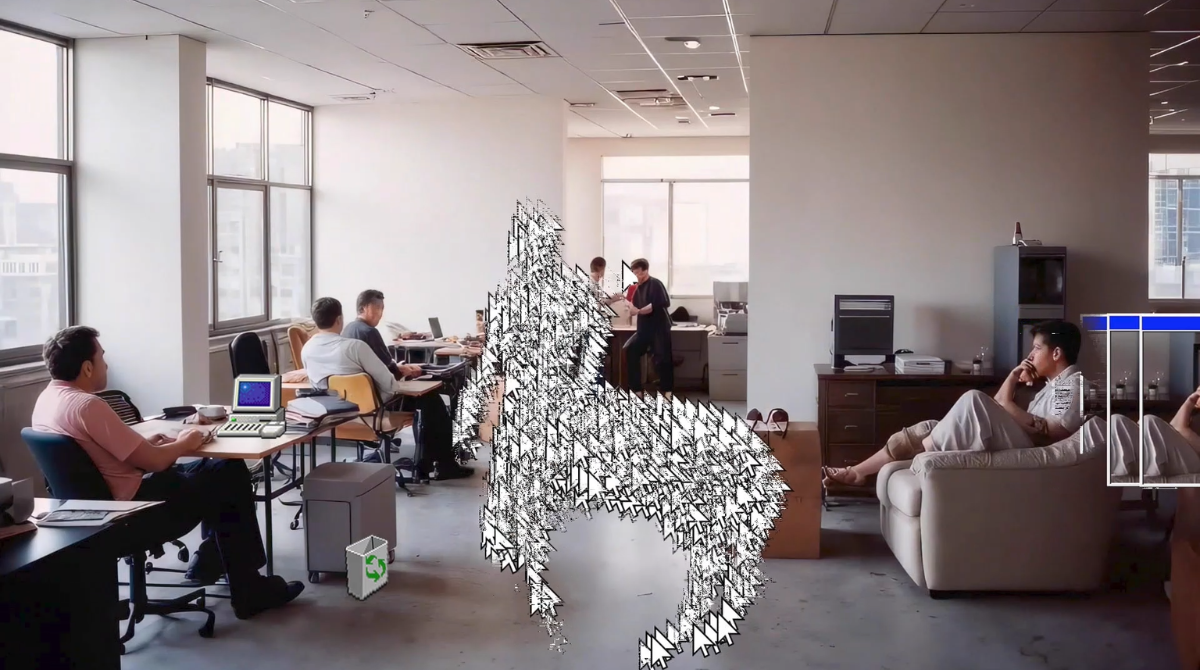
Ben Kovach: My process is almost fanning out a little bit right now, where I'm starting to pull drawing into my process. I'm starting to work with images, but generally speaking, I use a very unique programming language called Haskell to write all of my artwork. It's quite powerful because it puts some guards in place, letting me modify things really fast without breaking everything every time I make a change. That's been my process for the past six years or so. I've built up this mega program that houses all of the sketches and artworks I've done to date. Within there, there are a bunch of little experimental modules that can work with images and that sort of thing.
OpenSea: Really cool. What brought you to Haskell, by the way?
Ben Kovach: I was drawn to Haskell originally because it's rooted in math. It's a very strict programming language where you have to define the mathematics of how something works. I find that very interesting, especially from a visual perspective. If I can look at an image and understand exactly what it is mathematically, that's quite interesting. What drew me to it originally was just an interest. When I first started programming, I noticed people were using it, and it seemed kind of strange and out there. But once I started digging into it and got the hang of it, it became the thing that I have used since. Before I even started with the art stuff, I worked for a number of startups. I found these little niche communities of Haskell developers where I would write Haskell code.
OpenSea: That's so cool. How did you make the transition from a career in tech and startups to doing art?
Ben Kovach: Since I was young, I always wanted to be an artist. I took every art class my high school offered and spent about a semester at school doing an art major, but I found it a little bit stifling. Eventually, a few things happened. I needed money in college and found my way into an internship where I was writing code for a company. I found that I loved it. I could express myself creatively in the problem-solving elements of programming. So from there, I went back to school for computer science. While I was there, I found Haskell. After I graduated and got settled, I wanted to bring art back into my life. Generative art is the perfect way to bridge that gap. I brought together two of my strongest passions. And now we're here.
OpenSea: That's very cool. I hear more stories going the other direction, so it's fascinating that you really pursued traditional art, then found a respite in the mathematical side, and then that brought you back to art. You have brought your hands into the process with things like charcoal and figure drawing that you've written about. What does adding that physical element change for you in your work?
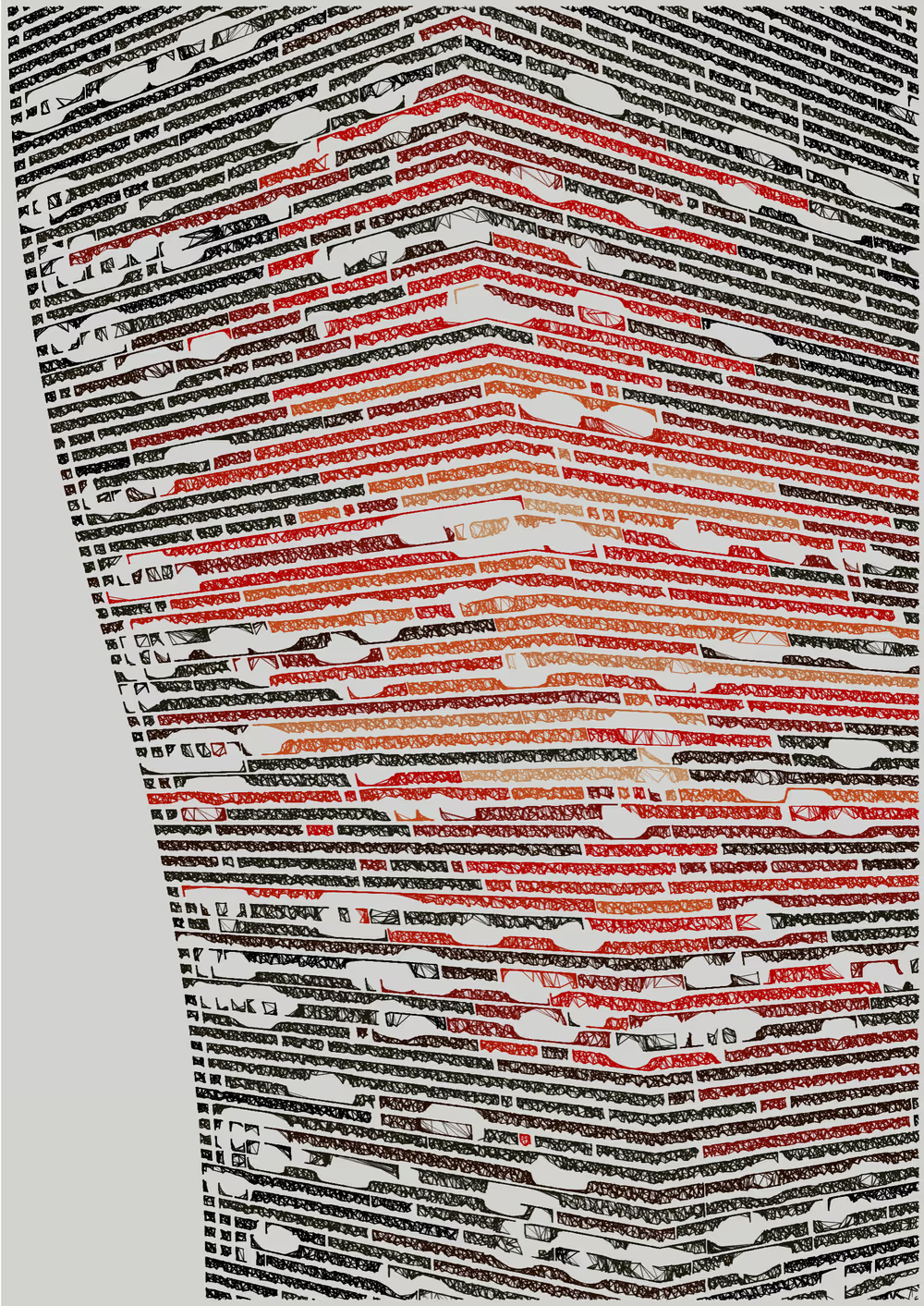
Ben Kovach: Eventually, I wanted to bring my hand into the computer somehow. I've always been drawn to texture. After working with generative programs for quite a while, I found that I could only get so granular with texture. When I would print something highly textured, I would always notice that it's just not quite the same as if you're using something like charcoal or paint. Working with physical media and trying to bridge the gap brings this element of texture into my work. It also brings in subject and figuration, which can add quite a bit to what I want to express.
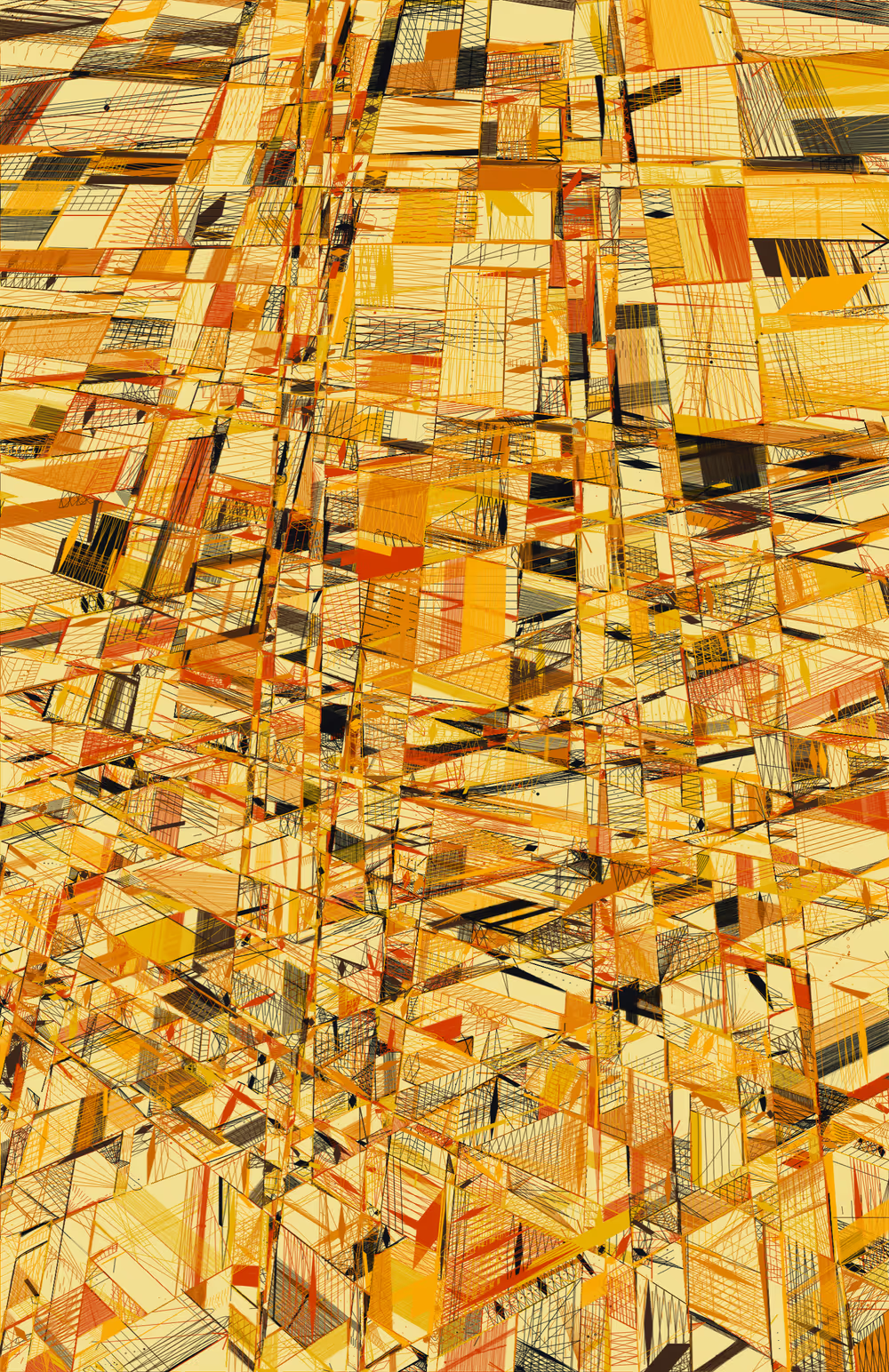
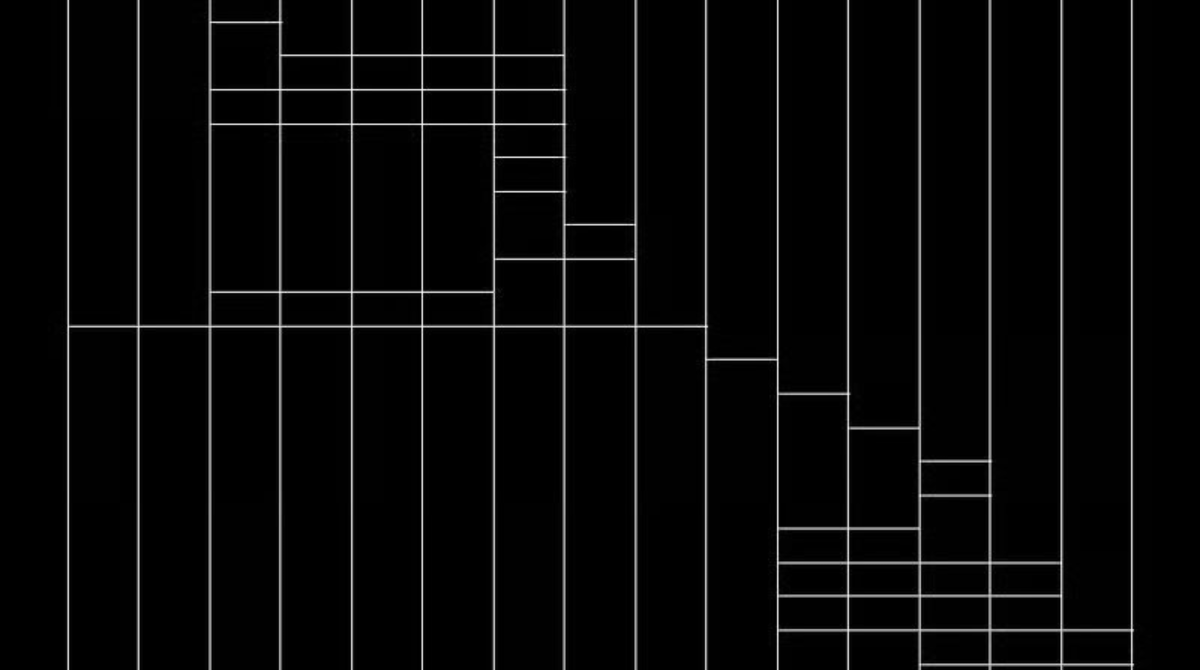
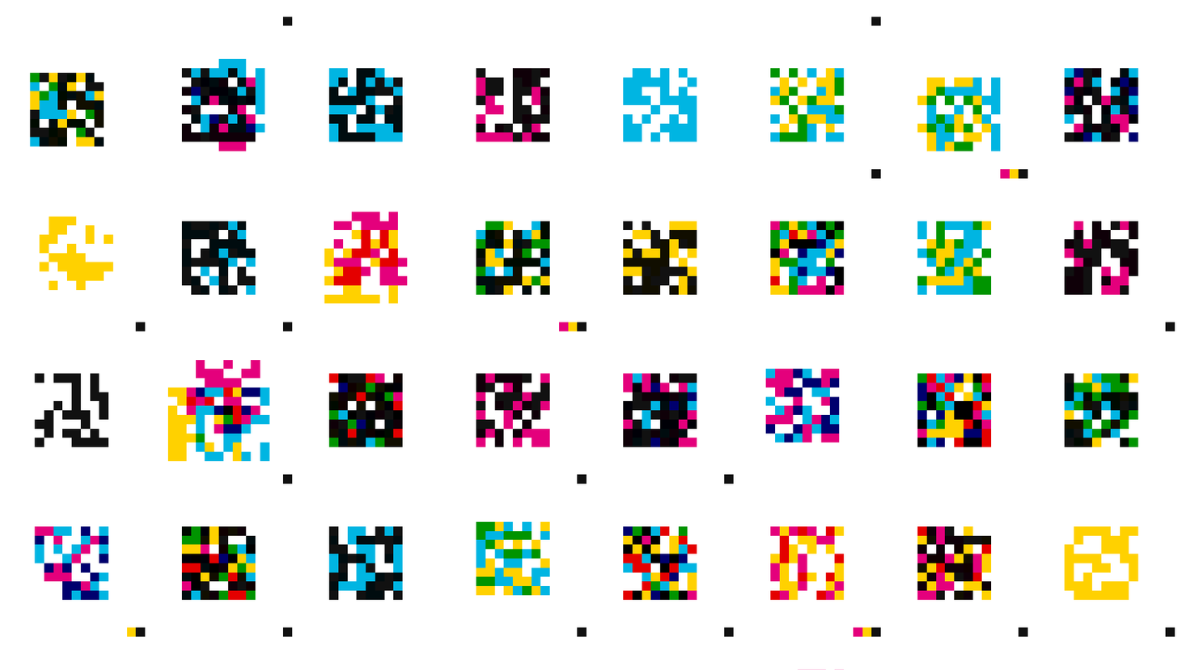
OpenSea: Projects like 100 Print and Edifice have unfolded on huge scales. How do you know when a generative system that you've created is finished? When to stop?
Ben Kovach: It's always hard to tell when a project is finished, and maybe projects are never really quite finished. With Edifice and 100 Print, both were quite large projects. I worked on them until the show. I was editing Edifice hours before it was released. I was editing 100 Print hours before I minted out all of them. At a certain point, I reach a place with my work where I feel it expresses something that resonates with me. After that, I could tweak it forever. Having shows and concrete deadlines is actually very helpful so I can get this thing that I could tweak forever out into the world.
OpenSea: You've written about the pain points of generative art. What's one challenge you still think about? What is another thing that you find it unlocks for you? These tools have real pros and cons. What are those for you?
Ben Kovach: Generative art, the way that I do it at least, lends itself well to a very particular type of artwork — compositions that have a very strict structure. Some of the pain points I've hit, some of the things that end up being really hard, are subtle geometric problems. Geometric computation is sometimes really finicky. The element of color is another thing that is incredibly complicated. It's more intuitive than anything else. I've tried a number of different processes to inject color into my work, some of which work better than others. Whenever I'm working with the actual numbers and trying to manipulate those in a generative way, instead of picking my colors upfront, I run into issues. That's a common hurdle. When you're writing generative code, you can't just throw every color into it. Those are some of the things I still struggle with and bump up against.
OpenSea: It's so interesting, especially when you think about how digital and physical elements interact. Creating art in a digital space that later becomes physical can be tricky, since colors that look great on a screen don’t always translate the same way in real life. Making sure that colors work together the way you want them to make so much sense.
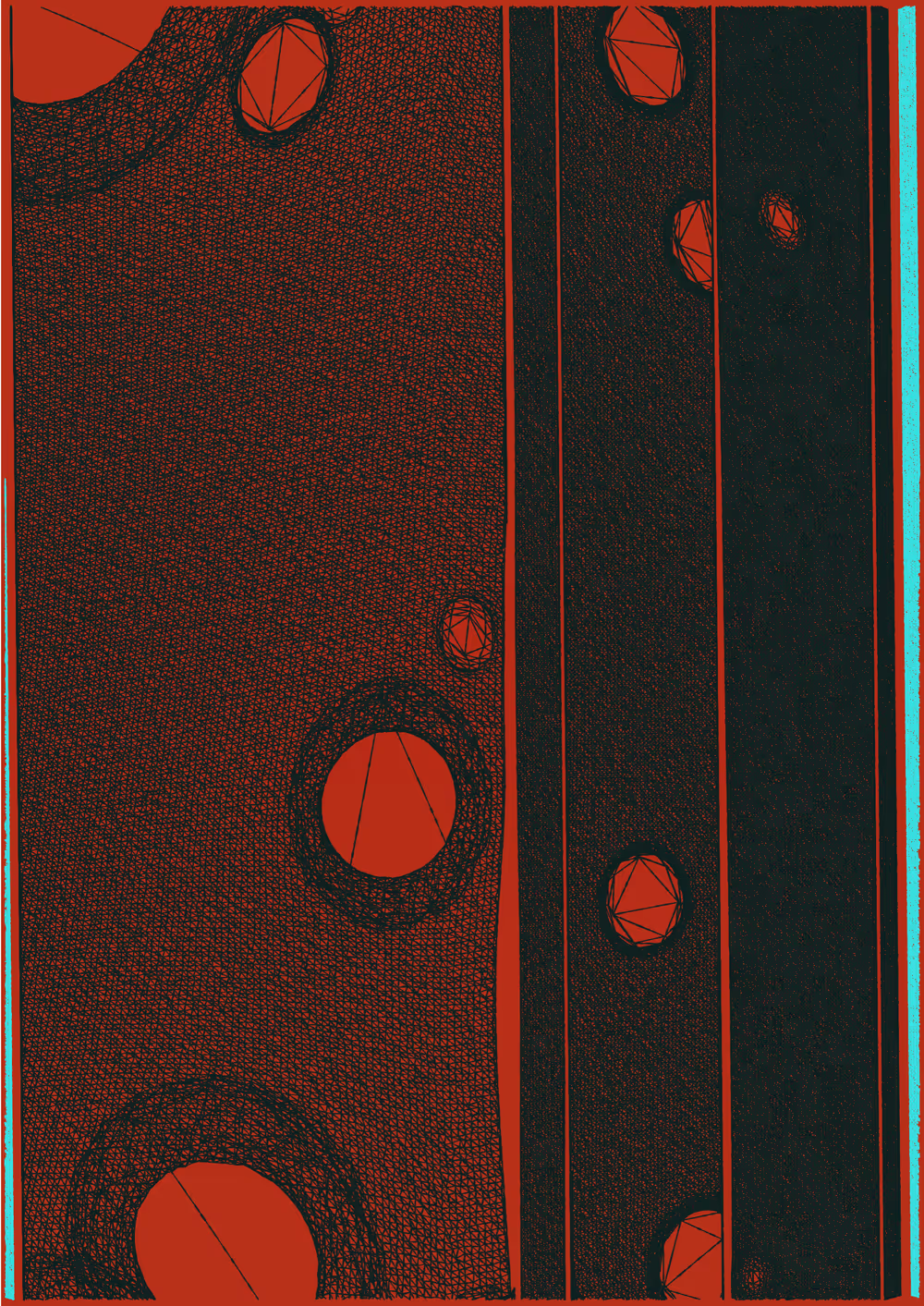
Ben Kovach: For me, a lot of what works with color is pulling from physical media. I'll paint or draw or sample colors from existing paintings and drawings to effectively limit my palette in order to make sure that what I'm working on feels like it has an analog in the real world. That's something I've always striven for with my art. I want it to feel like it could have been done by hand. I want it to feel like it could exist in the natural world rather than being a very digital object on its own.
OpenSea: Absolutely. Color has the potential to affect us so much emotionally. I'd love to end on a note talking about Marfa. What does it mean to you to be here in this group, among these people for this weekend, in this physical location? How do you feel about it?
Ben Kovach: I've known the community of generative artists for quite a while. Around 2018, I met a bunch of people who were already working within generative systems, and we built a community around that. I got to know them online. Having Marfa as a place for everybody to convene has been amazing. I've met friends from all over the world here. I've met some of the collectors that I never would have met because they're all online. It's just a really inspiring place. It's so different from any other place I've been. I love being here. I love seeing everybody. It's a really good opportunity to connect in the physical world.
OpenSea: A perfect note to end on. Thank you so much.
Ben Kovach: Thank you. This was great.
Disclaimer: This content is for informational purposes only and should not be construed as financial or trading advice. References to specific projects, products, services, or tokens do not constitute an endorsement, sponsorship, or recommendation by OpenSea. OpenSea does not guarantee the accuracy or completeness of the information presented, and readers should independently verify any claims made herein before acting on them. Readers are solely responsible for conducting their own due diligence before making any decisions.