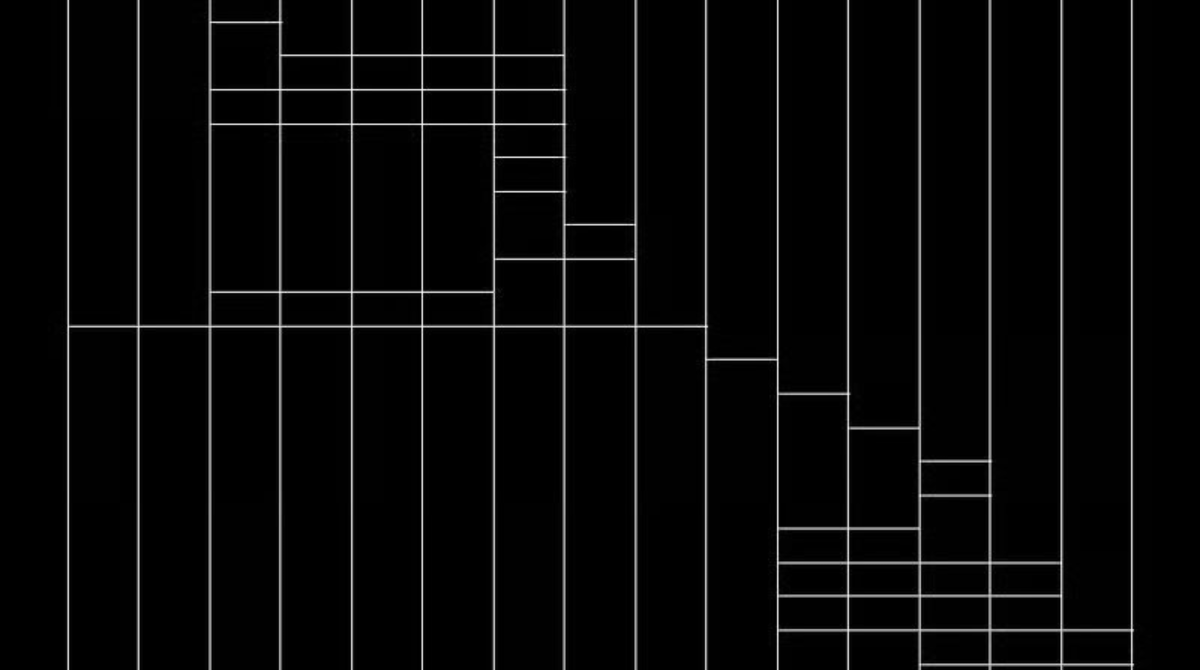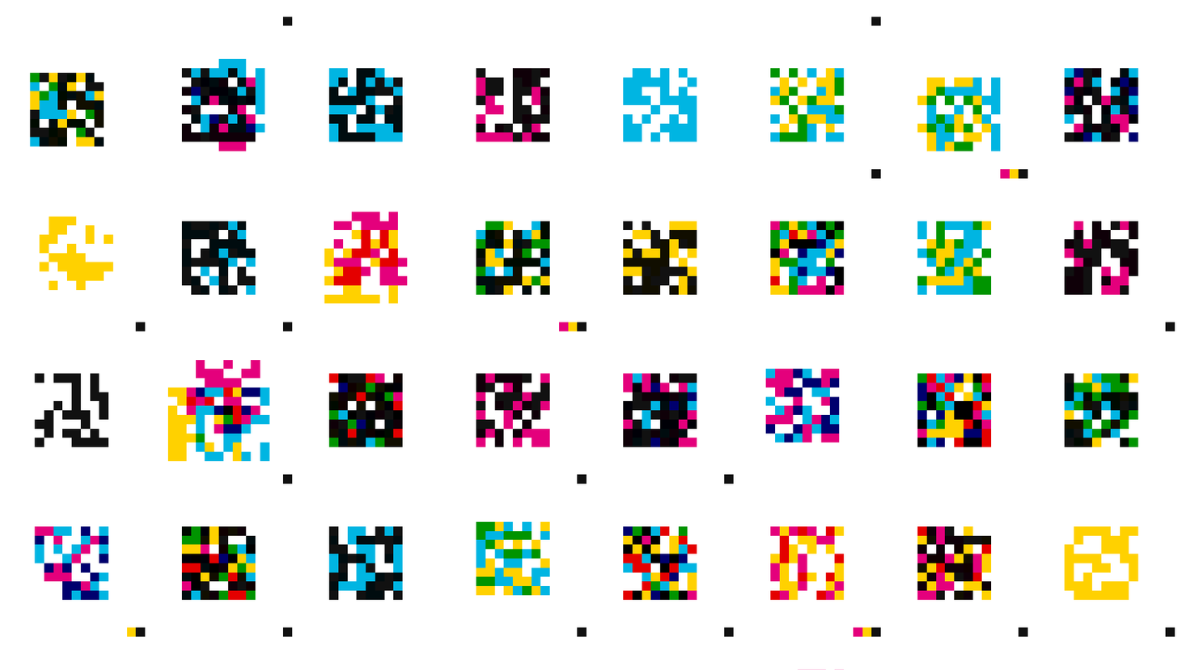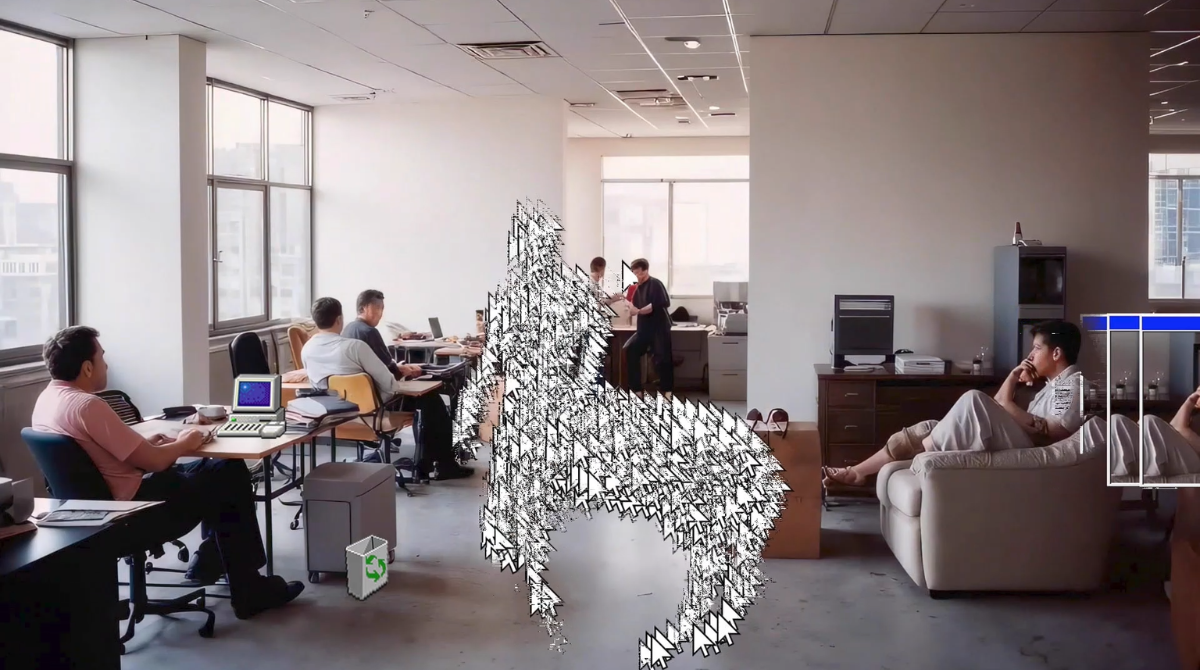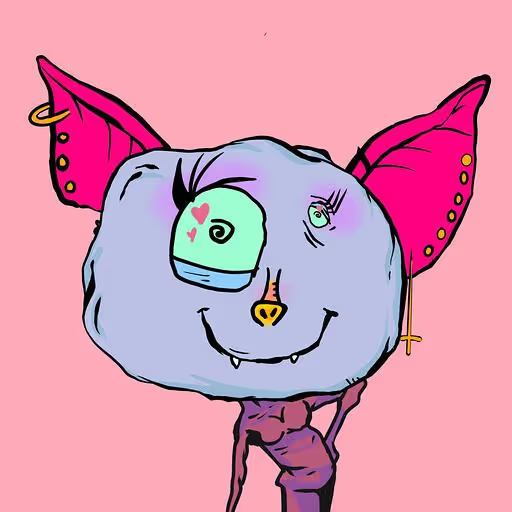
Spanish-American artist Manuel Lariño has always worked from the world around him. Originally from A Coruña, Spain, Lariño built his early career as an illustrator, contributing to publications like Esquire magazine, record labels, and book publishers including Faber & Faber before shifting his focus toward generative art. Working with code the way he once worked with a pencil and acrylic paint, he designs algorithms inspired by natural patterns, environmental cycles, and the rhythms that shape daily life. His collection Gift of Time, created during the Art Blocks x OpenSea Artist Residency in Marfa, Texas, is the direct result of one of those environments leaving its mark.
We sat down with Lariño to discuss his time in Marfa, the ideas that emerged from a month in the desert, and how Gift of Time translates the feeling of slowed-down time into a generative system that runs continuously on the blockchain.
Note: This interview has been edited for length and clarity.
OpenSea: For readers who may be encountering your work for the first time, can you walk us through your background and how you arrived at generative art as your primary medium?
Manuel Lariño: I was always drawing as a kid, constantly painting, sketching, and doing creative things. As a teenager, I became fascinated by music, album covers, and visual culture, but it never occurred to me that drawing, creating images, or designing covers could actually be a career.
Once I realized it was possible, I decided to fully commit to art. I left Spain and moved to New Jersey to study drawing at the Joe Kubert School. Having grown up between Spain and the United States, the move felt natural. The school was essentially a drawing boot camp, drawing all day and drawing all night. It was intense, and I learned so much.
While on a trip to Florida with friends from that school, we stopped by the student show at Ringling College of Art and Design in Sarasota. The work was amazing. I remember thinking, “I need to study here.”
In the end, all three of us transferred there. I earned a BFA in Fine Art, concentrated in illustration, and began working as a freelance illustrator immediately after graduating. That was the beginning of my professional career as an artist, although I always balanced commercial work with a personal practice, continuing to create and explore my own ideas alongside client projects.
OpenSea: You went from illustration into code-based work. Did that foundation in drawing shape how you approach building an algorithm?
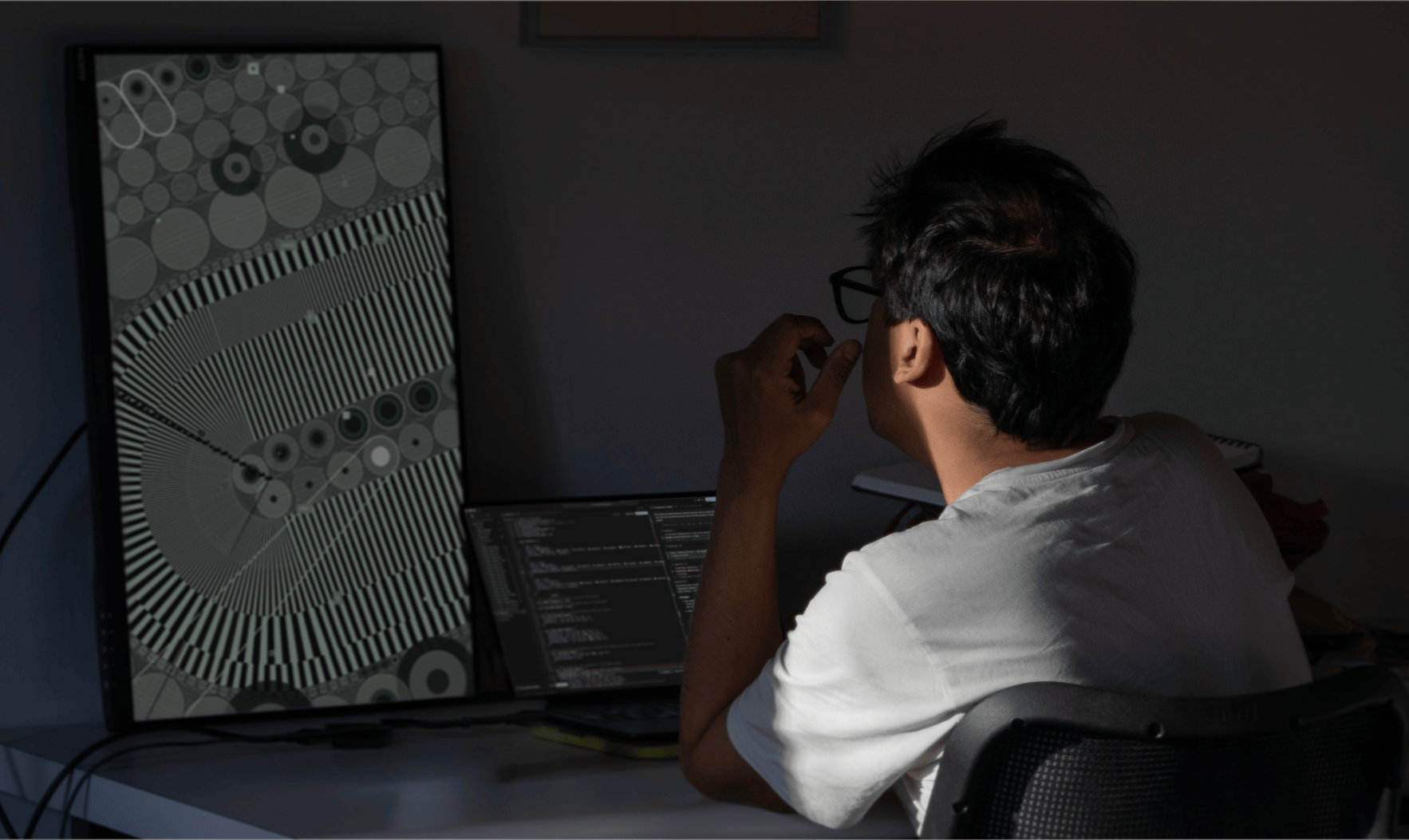
Manuel Lariño: It didn't help so much with the algorithm itself, but it did help on the conceptual and visual side. In college I was painting, all my illustrations were acrylic paintings. When I got into the real world working for magazines, for record covers, the turnaround time was so short that I couldn't really paint anymore. I started using more digital processes, more Photoshop, more Illustrator. I always kept my drawing as the base layer, the pencil drawing, and then I put layers of flat color over it. I think that visual style is still present in my code-based work.
When I discovered generative art, I had no idea how to code. But I was always interested in technology even when all my friends were painting. I was always trying to build my own website instead of having someone else make it. I got pretty good at it and ended up building websites for all my illustrator friends. Art and technology were always two separate things for me, though. I never mixed them until I found out about Art Blocks and discovered I could make art with code. That's when I forced myself to learn.
OpenSea: When you found out you'd be doing the Art Blocks x OpenSea residency in Marfa, what was your mindset going in? Did you have a direction in mind, or were you intentionally leaving space for the place to tell you what to make?
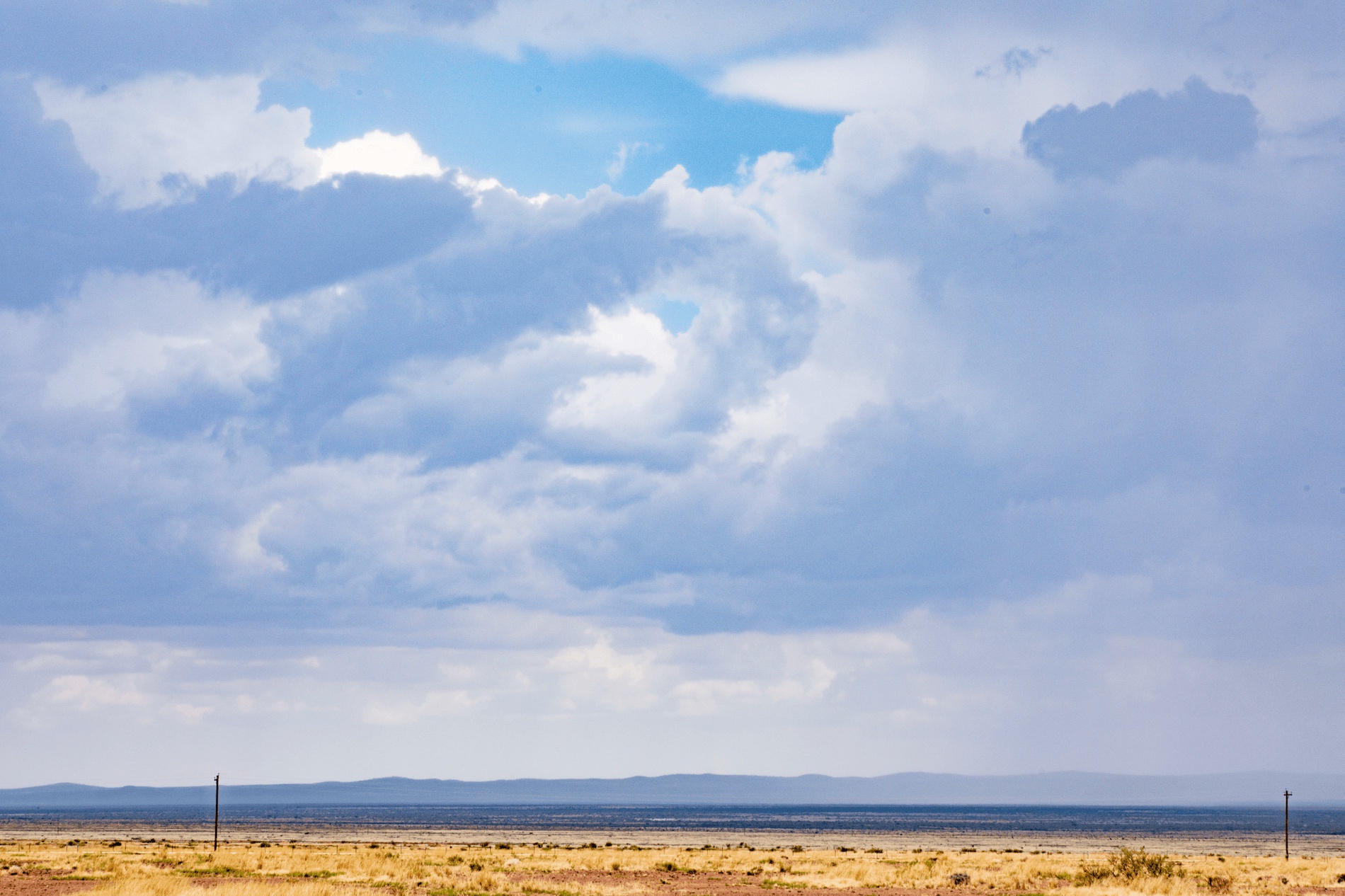
Manuel Lariño: I wanted to go completely open-minded. All of my work is usually inspired by my surroundings and the environment I'm in, so I wanted to see what that place would inspire me to do. I thought it was going to be the landscape, the desert. I had never been to a desert, never been to Texas. It's really different from where I live. I thought that was going to be it.
But after a few days, everything started to slow down. When I'm home, everything goes really fast. I have to take my daughter to school, I have deadlines, and the day feels really short. In Marfa, everything slowed down. Around the third day I thought, wow, this is something. I started noticing that time is relative, that this shift in my perception of time might be the idea I needed. Not the desert, not the landscape, but the feeling of time. That's why the title is Gift of Time. Not only time as a concept, but also the time that people gave me. OpenSea, Art Blocks, and my family gave me a month to be in the desert and just work.
OpenSea: Can you talk about what that shift felt like day to day, and when you realized it was going to become the core of the work?
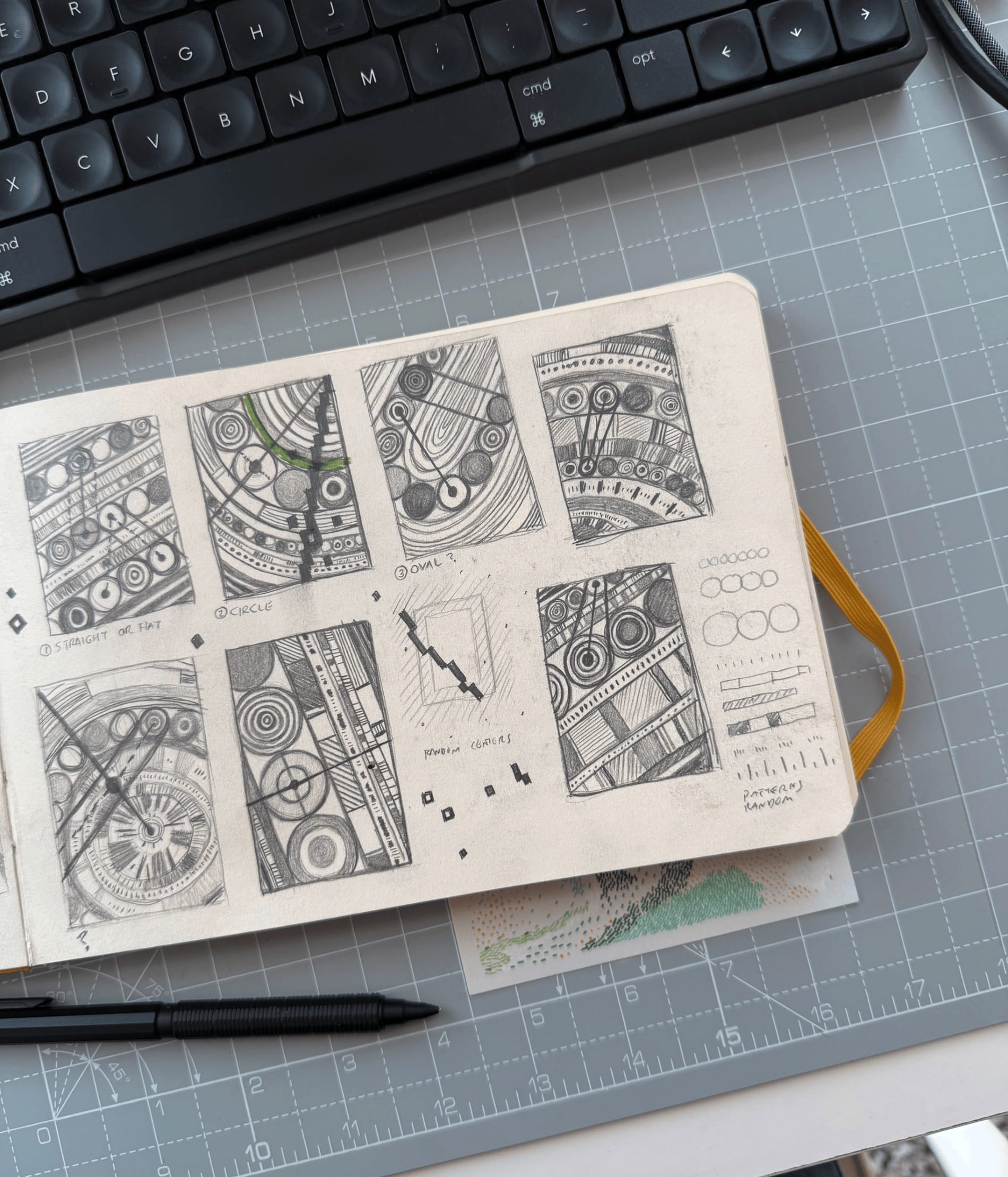
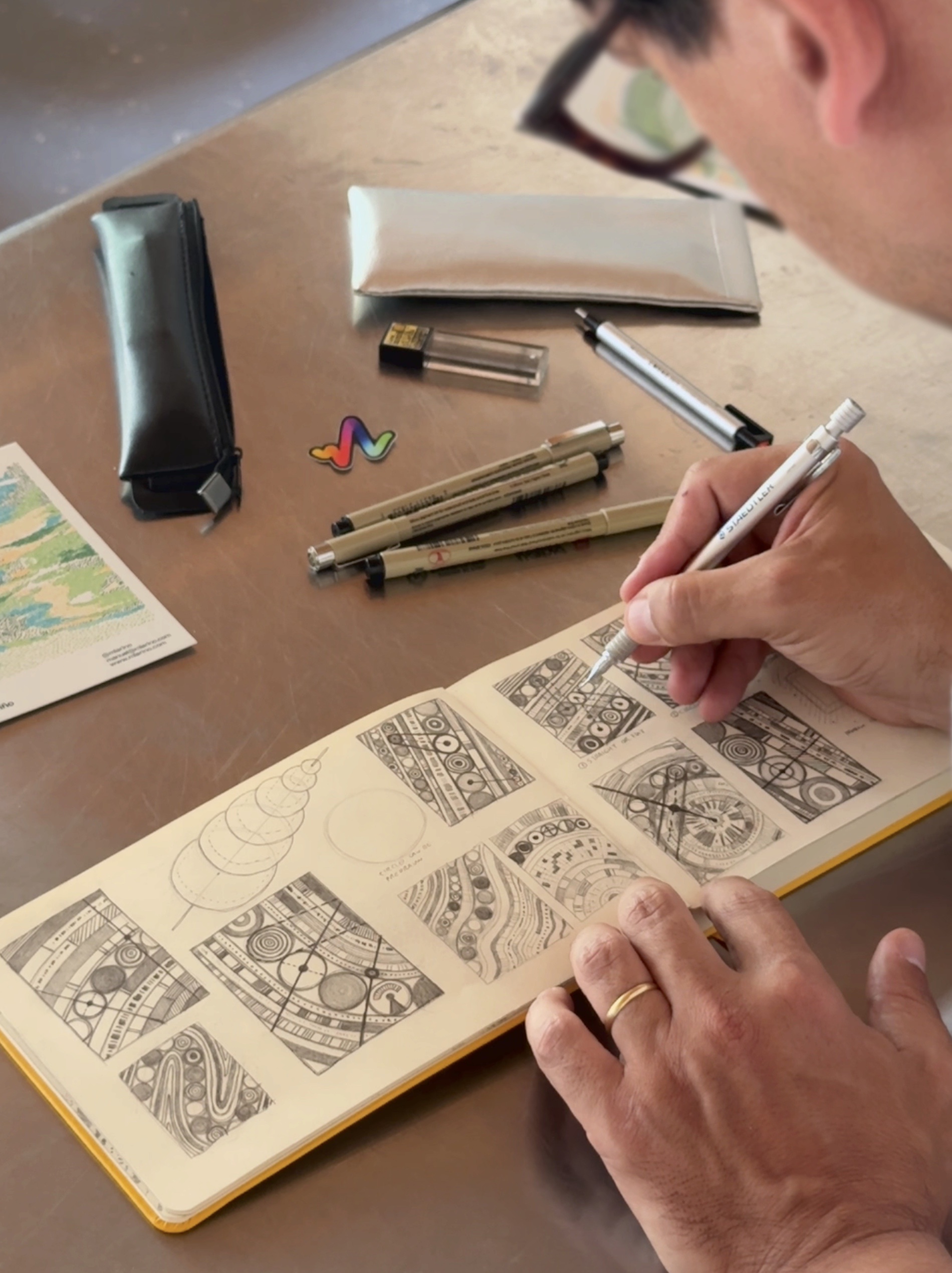
Manuel Lariño:I didn’t know right away what the piece was going to be. I filled pages of my sketchbook exploring different ideas and directions, but eventually I had to choose one.
Around the third day, I started making a connection between the feeling that time was moving more slowly and the experience of being at the residency. Every morning I would wake up and my only responsibility was to think about art and work on a piece. There were no meetings, emails, or distractions competing for my attention.
When I connected that feeling to the idea of time being gifted to me, the concept immediately resonated. It felt like an important piece to explore. As I continued sketching and developing it, the idea stood out from the others because it carried a deeper meaning for that particular moment and place. It felt connected to the experience of spending a month at the residency and to where I was at that moment.
OpenSea: Gift of Time treats time not just as a theme but as a structural system, running on blockchain time and continuing even when no one is looking at it. How did you work out the mechanics of that?
Manuel Lariño: When I’m sketching, I’m usually writing ideas alongside the drawings. During a lot of the brainstorming for this project, I was also listening to interviews with watch collectors on Hodinkee in the background. They were always talking about mechanics and the moving parts inside the watches. That got me thinking about invisible systems and machines. In a way, I started comparing the mechanics inside a watch to the mechanics inside a blockchain. Both are complex systems made up of many moving parts working together. That idea began to influence the visual direction of the piece.
At the same time, I was thinking a lot about time itself. Time doesn’t stop. It’s relative, but it’s also a constant. It’s always there, always moving.
I started thinking about all the different ways humans have tracked time throughout history: calendars, the moon, the stars, the sun, and the many systems developed across different cultures. I tried to weave many of those ideas into the piece.
Then I started questioning a common assumption in digital art. Why should the piece begin the moment someone loads it? Why wouldn’t it already be in motion? It should exist independently of the viewer, already moving when you encounter it and continuing to move after you leave.
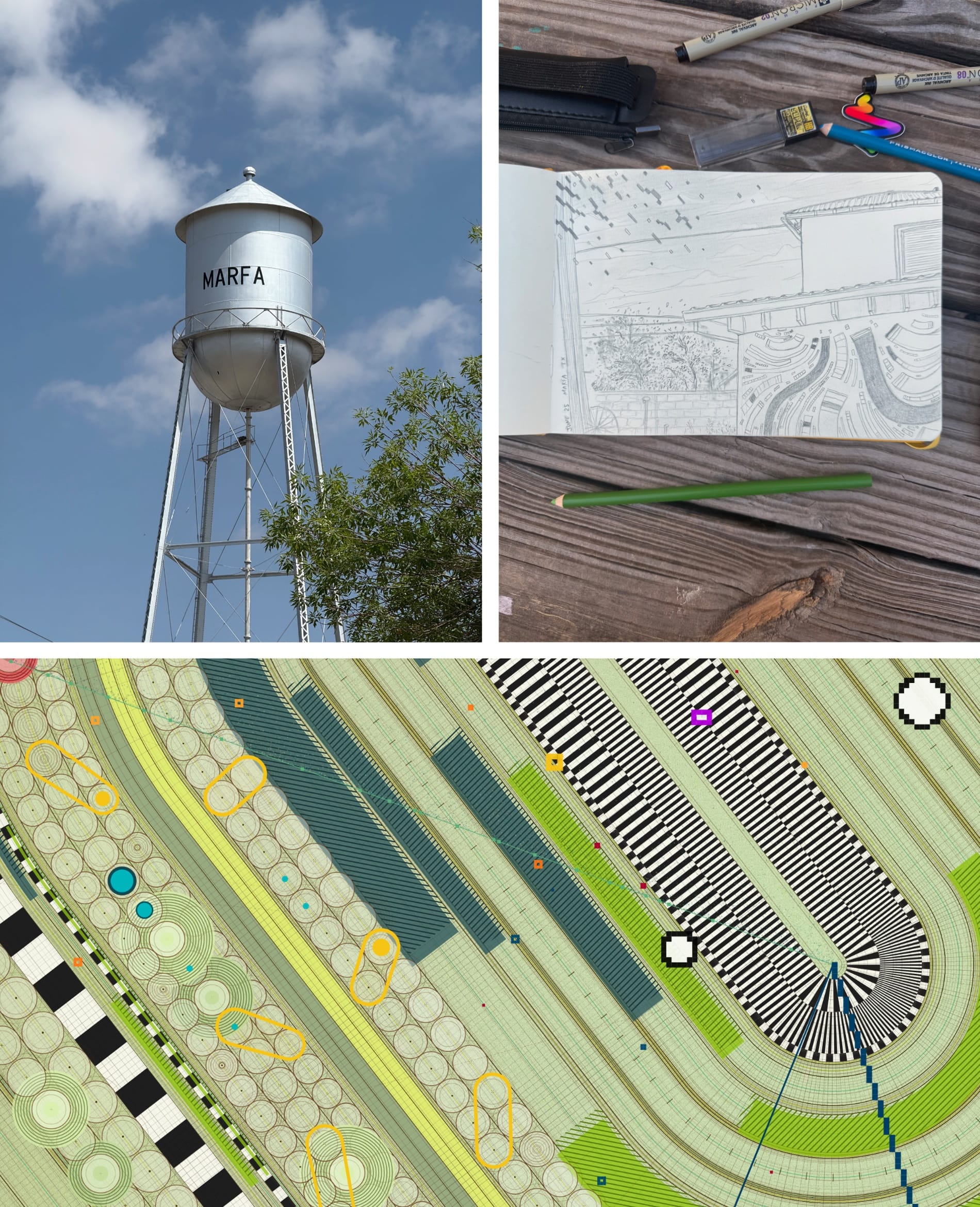
I also had a photo on my phone from the day I arrived in Marfa, a picture of the Marfa sign. It was taken at 5:30 PM on June 10th. I thought, why not use that moment as the reference point? So the piece uses that moment as its origin. That’s when everything began moving, and it has continued moving ever since.
OpenSea: When you finished the work and saw it being minted, generating pieces you couldn't predict, what was that experience like?
Manuel Lariño: That’s what I love about generative art. At some point, you have to let go of control. You build the system, define the rules, and then hand part of the decision-making over to chance and to the collectors who mint the work.
At the same time, it’s always a little nerve-racking. Once the pieces are minted, they can’t be changed. They become part of the collection forever. You spend months building and refining a system, and eventually you have to trust it.
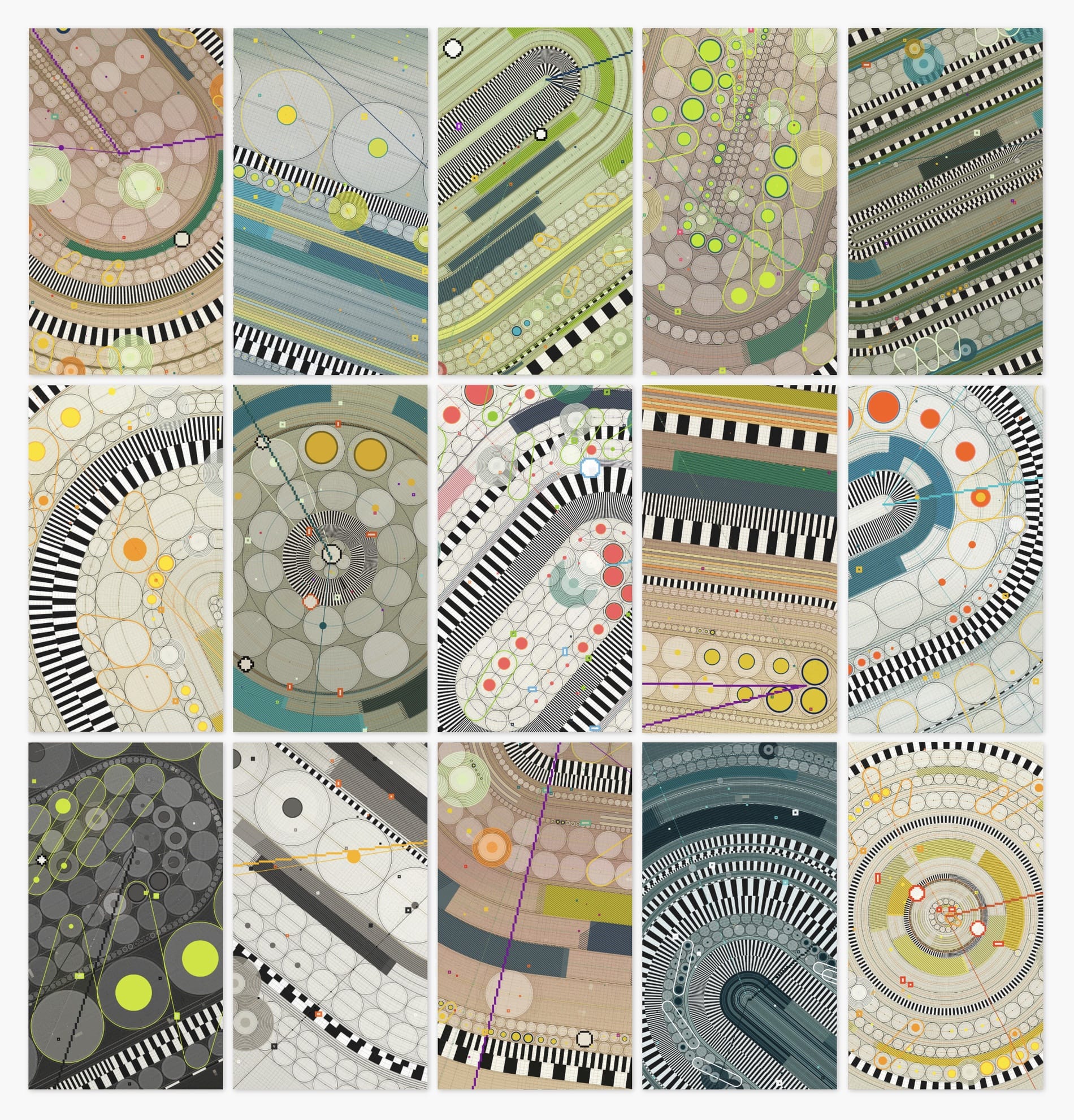
Some pieces genuinely surprised me. It was only after everything had been minted and I started spending time with individual outputs that I noticed combinations of elements and behaviors I had never seen during development.
What I found fascinating was how these small systems could interact in unexpected ways. Sometimes a tiny detail would suddenly become important because of what was happening around it. Other times, independent elements would align and create moments that felt almost intentional, even though they emerged naturally from the rules of the system.
It was only after the project was finished, when I could no longer change anything, that I fully appreciated how many different ideas and layers had found their way into the work. Looking back, I’m really happy with how those elements interact. I kept adding ideas to the piece, and at some point I thought it might become too much. There are so many moving parts, colors, shapes, and behaviors, yet somehow they found their own balance and seem to belong together.
OpenSea: What are you working on now, and what's next?
Manuel Lariño: That sketchbook from Marfa is full of ideas. Gift of Time was the one I chose to finish, but there are many others I’m still exploring.
I’m currently working on two new pieces that I hope to release this year. One of them actually comes from the residency as well. It was something I was exploring at the same time as Gift of Time, and for a while I wasn’t sure which direction I would choose. In the end, I set it aside, but I’ve continued developing it ever since. So there’s definitely more coming from that period.

Manuel Lariño: I also just want to say thank you for the reception Gift of Time received, because it was completely unexpected. I was prepared for a slow mint that might take a week or more, and instead it sold out incredibly quickly.
More than that, though, it was the messages from collectors, artists, and people who connected with the piece that meant the most to me. I’m incredibly grateful for the support and for the way the collection was received.
Disclaimer: This content is for informational purposes only and should not be construed as financial or trading advice. References to specific projects, products, services, or tokens do not constitute an endorsement, sponsorship, or recommendation by OpenSea. OpenSea does not guarantee the accuracy or completeness of the information presented, and readers should independently verify any claims made herein before acting on them. Readers are solely responsible for conducting their own due diligence before making any decisions.