What if your crypto habit could change lives? That’s the premise behind Donate.GG, a new blockchain-native donation platform that’s raised more than $600,000 for causes like St. Jude Children’s Research Hospital in its first year, all without taking a single cent in fees.
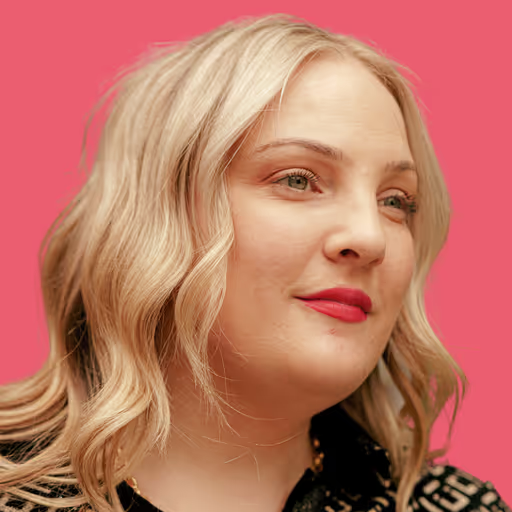
Leap, a early crypto content creator and crypto builder, is the founder of Donate.GG, a new platform that lets people send digital currencies like ETH, BTC, SOL and USDC directly to nonprofit organizations.
Inspired by his father's cancer battle, Leap launched the platform in 2024 to make crypto philanthropy more seamless, transparent, and accessible. Just a year later, Donate.GG has moved hundreds of thousands in charitable donations and inked its first major partnership with Time.fun, a Solana-based startup where fans buy tokenized access to creators' time, and creators have the ability to allocate a percentage of their earnings to charities.
As part of the launch, Time.fun sent $352,000 in creator-directed donations to St. Jude Children’s Research Hospital in June 2025. Donate.GG ensures those funds reach their destination in full.
We caught up with Leap to talk about his journey, the mechanics of crypto philanthropy, and why he believes anyone can be a philanthropist in web3.
Note: This transcript was edited for length and clarity.
OpenSea: In simple terms, how does Donate.GG work, especially for someone who hasn’t used crypto before?
It’s really simple. We’re a no-fee donation platform that processes crypto donations for charities. When someone donates through Donate.GG, the full amount, 100%, goes to the nonprofit. We’ve written our own smart contracts to support this, and donors can even choose to cover gas or add a tip to support the platform. So far, about 98% of them do.
OpenSea: What makes crypto, and blockchain specifically, a useful tool for philanthropy?
Leap: A lot of reasons. First, the global liquidity. Crypto makes it easy to send funds across borders, which means we can support charities anywhere, especially those who might not otherwise have access to U.S.-based donors. Second, transparency. You can trace every dollar. Third, the cost savings. Many donation platforms charge 3% to 5% in fees. That adds up. One chemotherapy treatment at St. Jude costs $2,500. Every dollar saved counts.
OpenSea: Your father’s cancer battle was the original inspiration behind your meaningful work. Anyone who’s walked alongside a loved one through the journey of cancer understands how profoundly life-changing it can be. But it also sounds like there were other reasons why this has been a satisfying mission for you—creative, business, maybe even personal. So take us back. What motivated you to create Donate.GG , and why was March 2024 the right time to launch?
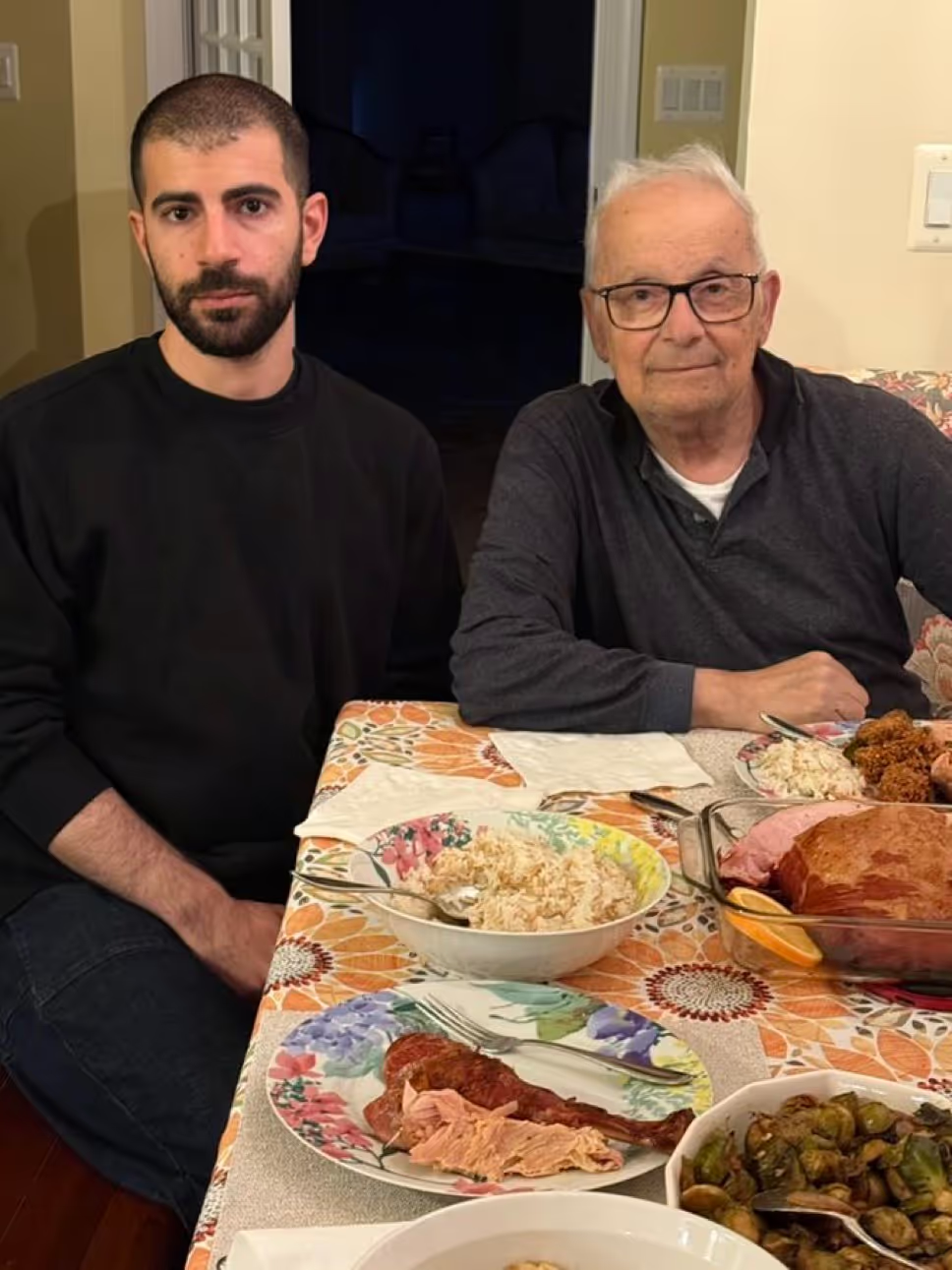
Leap: My dad got sick in 2020. He was given a year but ended up living longer. I lived at home for a portion of that time, but still, there wasn’t much I could do, so I moved to Los Angeles where I had some opportunities. I felt a lot of guilt because I was living in L.A., making content while he was going through that. I launched the first donation drive on my birthday in March 2024, just a tweet, and it raised $110,000 in 24 hours. St. Jude reached out afterward and invited me to visit Memphis. Walking through their campus, I was in tears. That trip changed everything. I knew I had to keep going.
OpenSea: And that led to the Art Basel auction?
Leap: Yes. In December 2024, we did a physical charity art auction at Art Basel. It raised $250,000, but it was a massive lift: 30 artists, travel, content shoots, no sponsors. It was a multi-month process to pull off. We also made a full documentary. It’s the one pinned to the top of my Twitter, and I felt like that was really important to create because I wanted to show my dad and my family what I was actually doing. They honestly had no concept. I’d tell them, “Yeah, we raised all this money,” and they’d be like, “Okay...?” They had no idea what it meant. I’d say, “We’re doing Spaces,” and they’d just kind of nod.
The whole initiative proved what we were doing worked, but the intensity of it made me want to focus more digitally and partner with creators. That’s where Time.fun came in. Creators tokenize their time by issuing "minutes." Fans buy those tokens to book time with them. A portion of those transactions, which is set by the creator, goes to a charity. I saw an opportunity for us to make sure the donations reach the nonprofit safely.
OpenSea: Totally makes sense to tap into the creator fandom that exists online, especially as a way of complementing live events. So how did the partnership finally come together?
Leap: It happened at ETHDenver. I already knew about what Time.Fun was building, tokenizing minutes of creator time, and I saw that they had a charitable feature. I noticed Toly, Solana’s founder, was one of their creators and had already routed 100% of his revenue to St. Jude.
I didn’t know anyone at Time.Fun personally, but I DMed Pedro from their team and asked to hop on a call. I pitched them and said, “I don’t know how you're processing donations now, but I promise you we’ll do it for cheaper—actually, for free. We’ll cover all the costs, handle the backend, use Fireblocks for custody, and take care of everything.” They said yes.
OpenSea: What has been St. Jude’s reaction, and what have you learned about onboarding new charities in the process?
Leap: We work closely with St. Jude now. I remember when I first started getting to know Mark, who’s the head of their crypto arm, I told him, “I don’t actually want anything from you. I’m calling to tell you that I’m going to raise this money, and it’s just going to end up in your wallet.”
And we followed through. That earned their trust. Big organizations have a lot of red tape, but they’ve publicly supported us because we deliver. That was the differentiating factor that made them comfortable publicly co-signing us, tweeting about us, engaging with our content.
Now, one of the biggest things for us is that Donate.GG is still very much a white-glove, curated service. We work directly with nonprofits, and we’re onboarding a bunch at the moment, which involves quite a bit of hands-on work.
OpenSea: Because they’re all using different payment processors and website builders?
Leap: Exactly. Right now, we’re just sending funds to their Gemini or Coinbase accounts, or whatever setup they’re using. But one of the most requested features we’ve heard—especially when I was at NFT.NYC—is: "When can I just start my own fundraiser?"
People were asking, “Can you open up the platform so anyone can raise funds for any cause?” Like, you just go to donate.gg/yourname and boom—you’ve got a live fundraiser, ready to share. That’s also what we’re working on now.
OpenSea: So basically, a decentralized GoFundMe?
Yeah, exactly. And while there are already some great projects doing similar things—and doing them well—I think what sets us apart is our distribution, marketing, and branding. We know how to mobilize the community for causes.
One of the original theses behind Donate.GG was this idea that anyone can become a philanthropist. Maybe that’s a first-generation kid in this country who started with nothing. We usually associate the word “philanthropist” with global elites like Bill Gates. But really, it’s not about that. At a conference recently, someone came up to me and was like, “Yo, Leap the philanthropist,” and I was like—what the hell? But on second thought, that sounds amazing.
I don’t even want to be called that, necessarily, but it struck me: Anybody can be a philanthropist. Our job is to give them the tools to do it.
OpenSea: Are other creators or nonprofits getting involved?
Leap: Yes. Time.fun is super open to working with creators who want to donate a portion of their earnings to causes. On our side, Donate.GG is still white-glove—we work directly with nonprofits and handle the heavy lifting. But the next step is to open it up.
OpenSea: Any nonprofits you're excited to onboard next?
Leap: We’re talking to a few. Nothing’s been signed yet, but we had six or seven calls just last week. It’s happening.