Jan Robert Leegte has been making art on and about the internet since 1997, placing him among the pioneers of what became known as net art. Where others used the internet as a delivery mechanism, Leegte made the internet's own systems, its scrollbars, selection marquees, raw code, and compression algorithms, the subject and material of his practice. His work has been exhibited at the Centre Pompidou, the Whitechapel Gallery, the Stedelijk Museum Amsterdam, and the Van Gogh Museum, and has been acquired by private and institutional collections worldwide. He is represented by Upstream Gallery in Amsterdam and Office Impart in Berlin.
In this conversation, Leegte speaks with OpenSea about his solo presentation at Art Basel Zero 10, where he brought together three bodies of work: JPEG, Sightings, and Orbits, united by an investigation into compression as one of the hidden infrastructures of digital image culture. He discusses how compression moves across artistic traditions, from abstract painting to snapshot photography to early animation, what it means to hold a procedural work on the blockchain, and why, nearly 30 years into his practice, the networked computer remains his central subject.
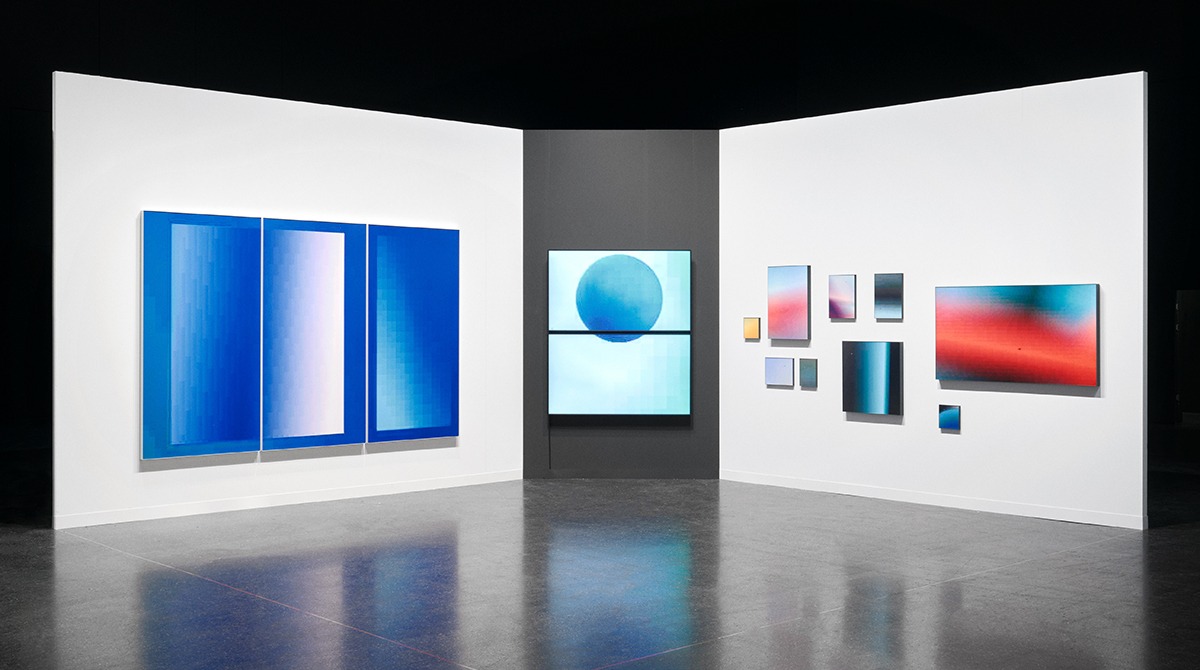
OpenSea: You've been making art on the internet since 1997, and your work has been shown at the Centre Pompidou, the Whitechapel Gallery, and the Van Gogh Museum. But Art Basel is a different kind of context. What did it mean to bring this work to Zero 10, and how did you think about presenting it in a space designed for the traditional art market?
Jan Robert Leegte: Over the years I’ve done quite a lot of solo presentations at galleries and art fairs. Although the context is commercial, I’ve been lucky to work with galleries [Upstream Gallery and Office Impart] that really support experimentation. So I’ve always stretched the context to make them into exhibitions. A coherent statement with a diversity of works. For Zero 10 I sent a proposal in the same manner. Zero 10 is also special, as it stimulates this way of presenting, being between an art fair and a curated show.
OpenSea: Zero 10 was curated around the theme "The Condition." How did you read that framing in relation to your own work, and did it shape how you put the presentation together?
Jan Robert Leegte: The proposal preceded the theme, but it aligned precisely. My work very much looks at the networked computer as a condition, and takes that as its starting point. I don’t use software to make art, I make art about software. In my early years I saw that the internet was an extension of sculpture, and I wanted to take that field as my subject and material. What does it mean to make art on the internet, not as content delivered through it, but as a reflection of it? The works I showed are investigations on the materiality of the networked computer.
OpenSea: JPEG, Sightings, and Orbits are three distinct bodies of work, but at Art Basel you brought them together around a shared investigation into compression. What connects them for you, and how did you land on compression as the organizing idea?
Jan Robert Leegte: I’ve dived into all kinds of aspects of the internet to work with, and compression is one of those lineages. My works always are tethered to art history as a way to find my way back and to take people with me on my journey into this new field of art. JPEG is rooted in abstract painting. I had two new projects using compression that veered into very different disciplines, photography and animation. I thought it would be an interesting unfolding: how a single material opens onto such different artistic traditions.
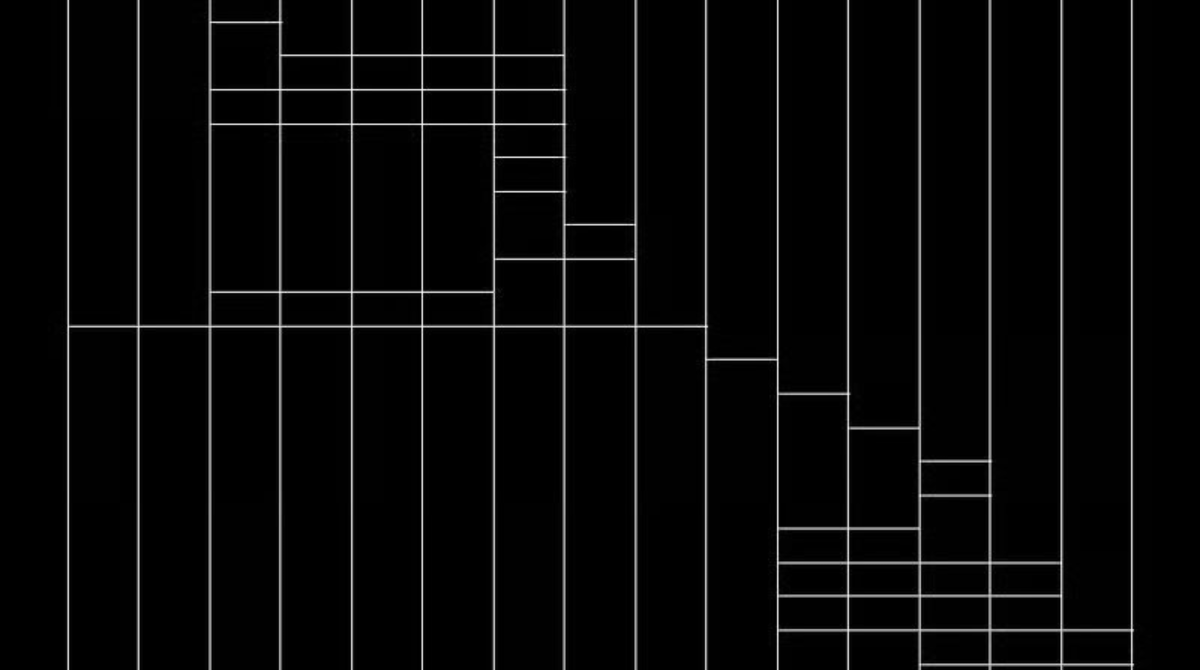
OpenSea: The JPEG series makes visible something that's normally meant to be invisible: the algorithm running underneath every image on the internet. What does it look like to generate an image from compression alone, with no underlying photograph, and what drew you to that as a problem?
Jan Robert Leegte: I’d worked with live compression before, with the series Compressed Landscapes. These net art pieces continuously fetch landscape images from the net and compress them in the browser in a contemporary interpretation of Impressionism, where the outside is the internet, and the artist the algorithm. The compression codec is how the internet sees images, and is amplified to show this “impression”. JPEG was born from the blockchain. As I couldn’t use images and only a little code, I was inspired to make a more radical work and use code and codec only to create a work. In the ethos of the abstract expressionists, this was not a JPEG depicting an image. The JPEG was the image itself.
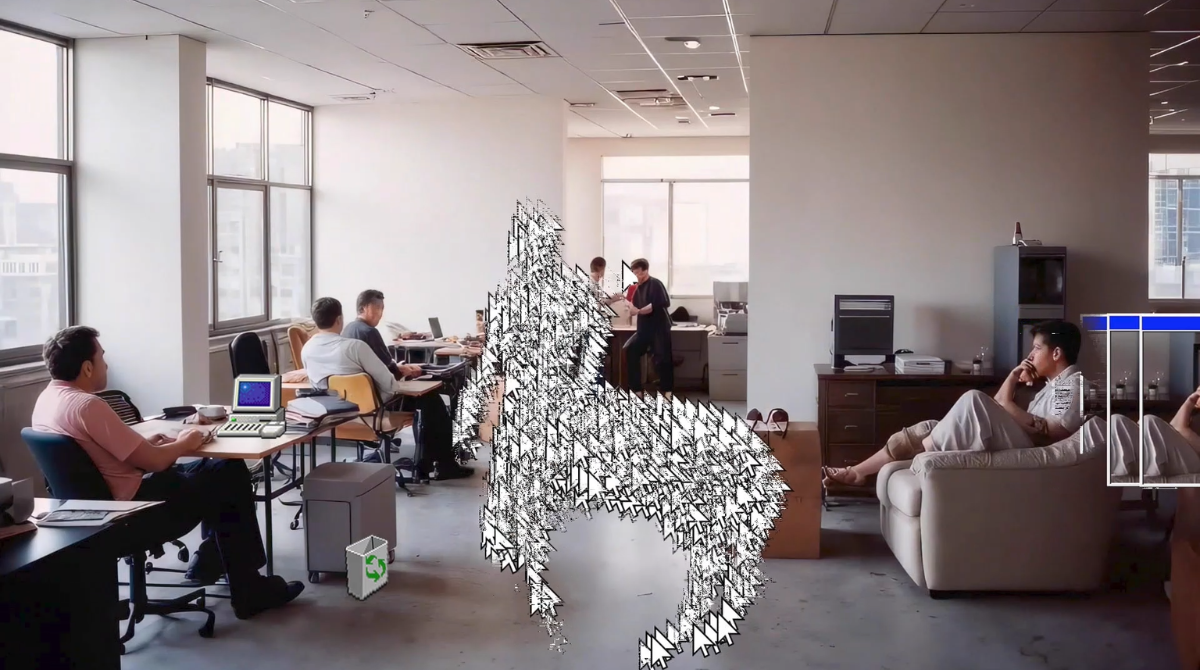
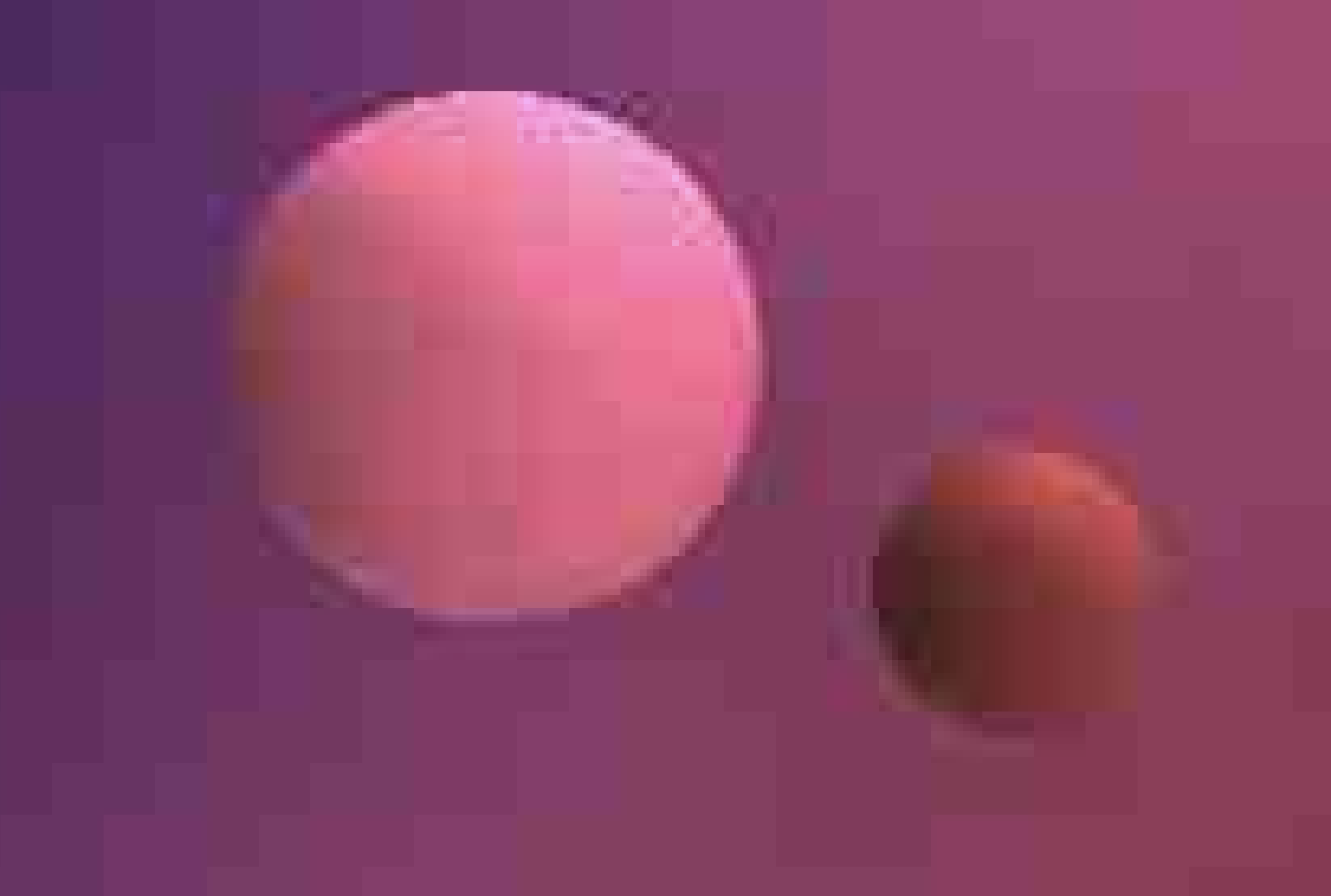
OpenSea: You've written about Orbits as a world that exists only in the instant it is compressed, orbiting only because someone is watching, and about that threshold where the mind starts filling in continuity between frames. How much of the work is actually happening in the viewer's head?
Jan Robert Leegte: The idea of discrete frames becoming continuous, happening in your head, is 200 years old and the base of animation and cinema, in fact all motion on your computer screen: interface transitions, games, or YouTube. But I deliberately chose the threshold of 12 frames per second as it resembled the rawness of becoming an image like the code-generated compression spaces. The work is all code, but creates this strange place, through its crudeness. It’s like it just falls into existence out of abstraction.
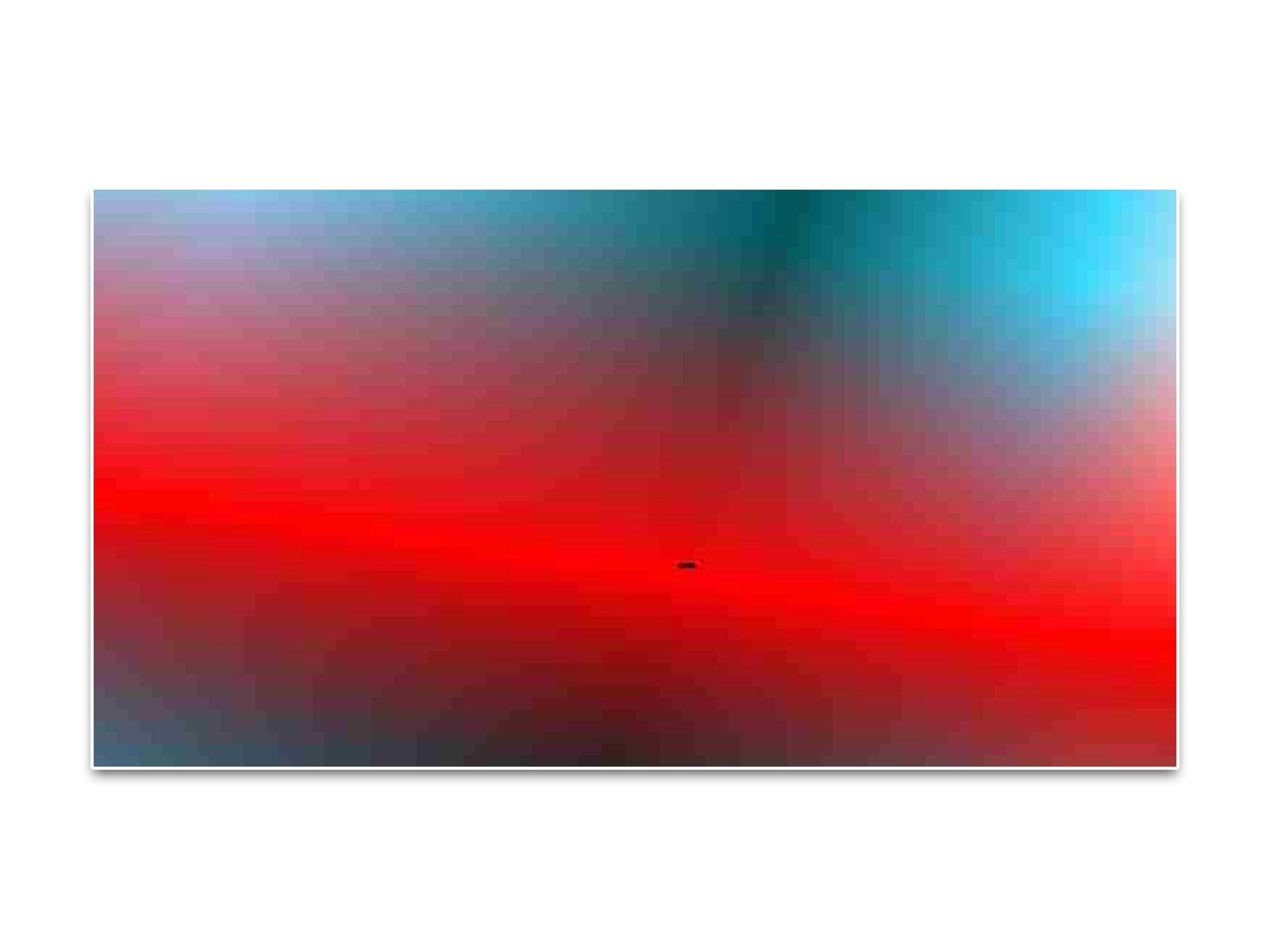
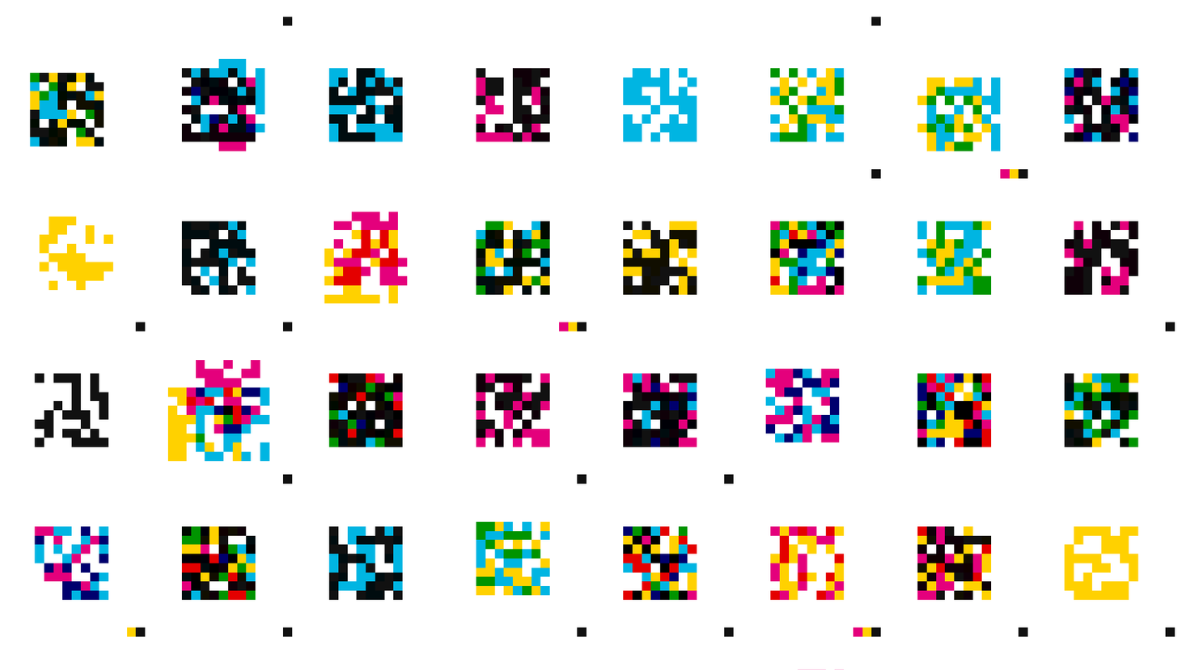
OpenSea: Sightings is a new work that premiered at Basel. What can you tell us about where it came from, and what is it doing that JPEG and Orbits aren't?
Jan Robert Leegte: Sightings was born from experimenting with the JPEG engine I had programmed. I wanted to see what else I could create and added random specks and lines. When I looked back, instantly the work had shifted from the domain of abstract painting to snapshot photography. The compression artifacts stopped being painterly gestures, and flipped back to zoomed-in images. Narratives would pour out, what is this setting, where is this? UFOs? Drones, missiles, satellites, planes, spacecraft? By combining the three series, coded compression moved from abstract painting through amateur photography to early film experimentation.
OpenSea: These works exist as code and as large physical objects at the same time: dye sublimation on aluminium, prints, generative collections. You've talked before about how taking work out of the computer helps you understand it differently. What does a 200 x 300 cm physical print of a JPEG compression algorithm show you that the screen version doesn't?
Jan Robert Leegte: By having the pigment baked onto metal, which you can actually touch, on a scale that encapsulates your whole body, the result becomes deeply visceral. It echoes the tradition of Rothko and Newman, where painting becomes the condition of the space and your body. Here I try to take a layer from software and present it in that tradition. It is a way of experiencing a digital entity of a fundamental level many have never experienced before. It teaches you not to take these digital materials for granted, but let them be the center of presence.
OpenSea: Compression has been the invisible infrastructure of the image-based internet since the early nineties, and now it's also the substrate underneath AI-generated images. Do you see your work as being in conversation with that, and where does the investigation go from here?
Jan Robert Leegte: Sightings especially has an interesting dialogue with AI-generated images as they both are code-generated images, created artificially by computer algorithms. But Sightings does something else, it doesn’t use any source material whatsoever. It is purely generative, letting the compression be the guide in letting the image arise in your head. I kind of like how I presented this body of work now, at the dawn of AI, closing a chapter of decades of procedural image generation and showing how ongoing development in computation builds on earlier structures, in this case this 1992 codec.
I committed myself to explore what the networked computer means for art in 1997. That commitment hasn't changed. As the network keeps unfolding, I will follow that call.

OpenSea: OpenSea acquired a piece from Orbits for its Flagship Collection, which holds work chosen for its long-term cultural significance. You describe Orbits as a world "orbiting only because we are watching." What does it mean to you for a work like that to be collected and held for the long term?
Jan Robert Leegte: This connects to a long tradition in conceptual and process art. A Sol LeWitt wall drawing is not collected as a fixed object. You hold the instruction and the right to let the work be realised again. The value sits in the concept and its conditions, not in a frozen artefact. Orbits belong to that lineage. Each token is a procedural work, not a static image, so what is collected is the process itself, still arising when watched. Blockchain is the perfect medium to hold this. It is built to keep code alive and executable, far into the future. The medium matches the work. A piece about generation is held by a system designed to keep generating. I am honoured that OpenSea has chosen an Orbit for its Flagship Collection.
Disclaimer: This content is for informational purposes only and should not be construed as financial or trading advice. References to specific projects, products, services, or tokens do not constitute an endorsement, sponsorship, or recommendation by OpenSea. OpenSea does not guarantee the accuracy or completeness of the information presented, and readers should independently verify any claims made herein before acting on them. Readers are solely responsible for conducting their own due diligence before making any decisions.