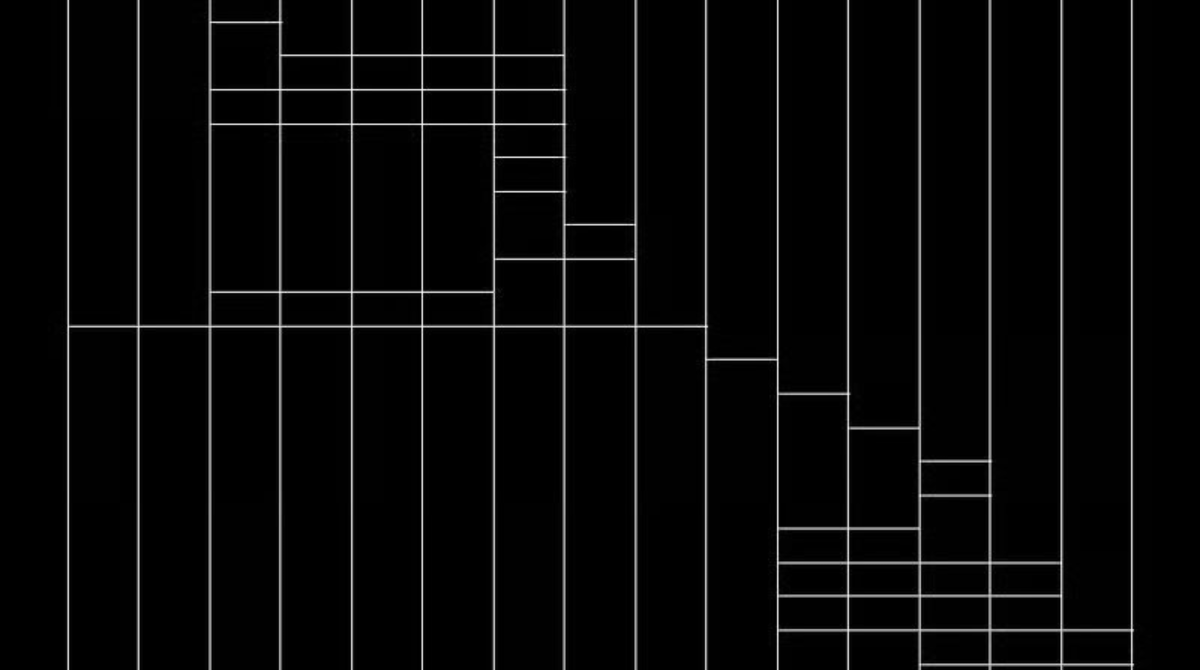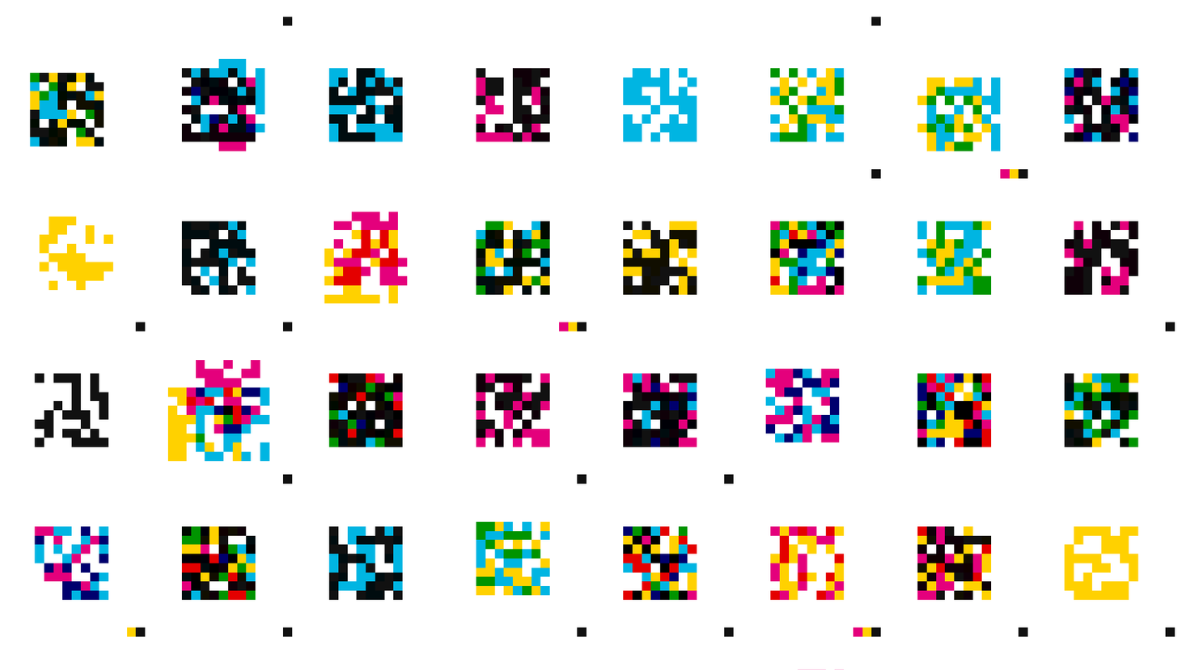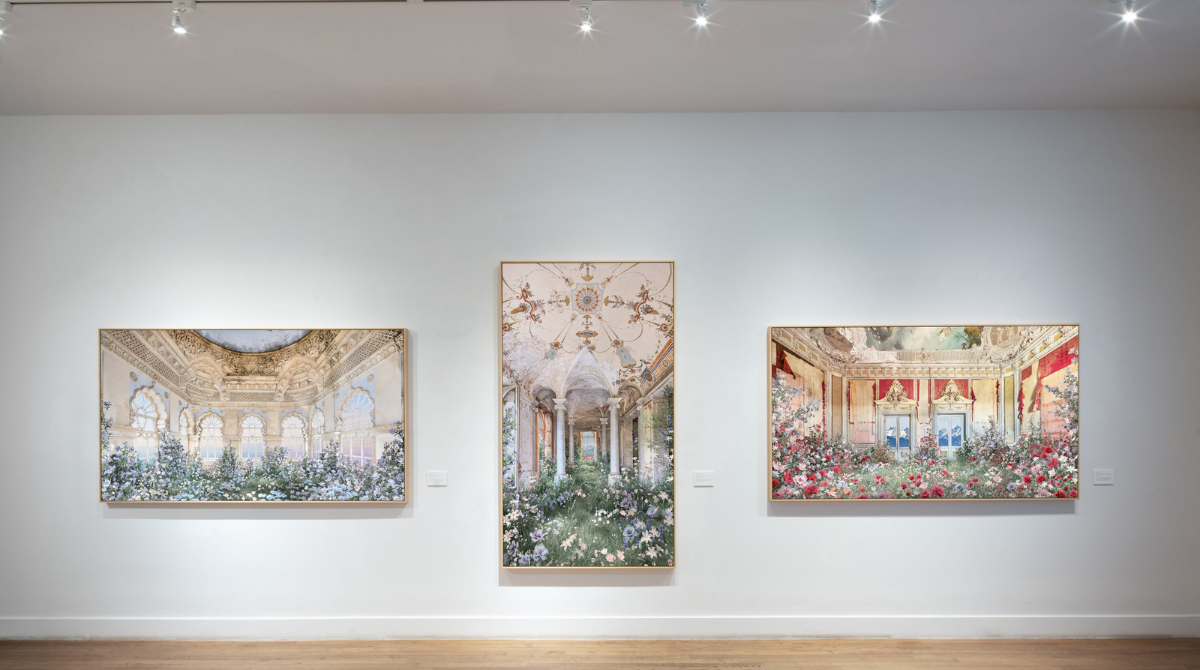
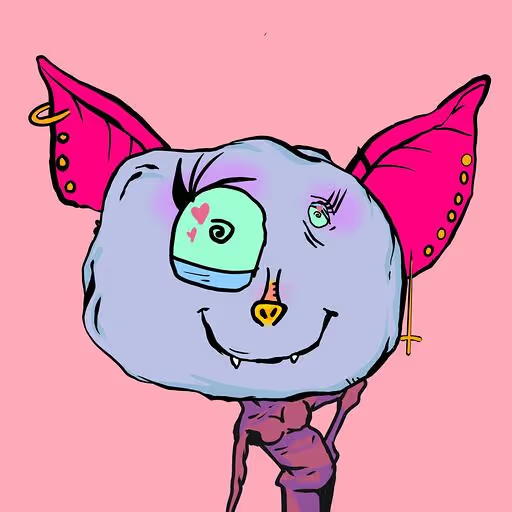
don't Buy has spent more than a decade creating art, and for most of that time felt late to something, always trying to keep up with trends that never stopped shifting. don't Buy started painting in 2015 and now works with AI and mixed media, though the technology is treated as a tool rather than the subject. The aim is not the most perfect image a machine can produce, but the moment it slips: the stray artifact, the mistake where, in the artist's words, the machine becomes a little more human.
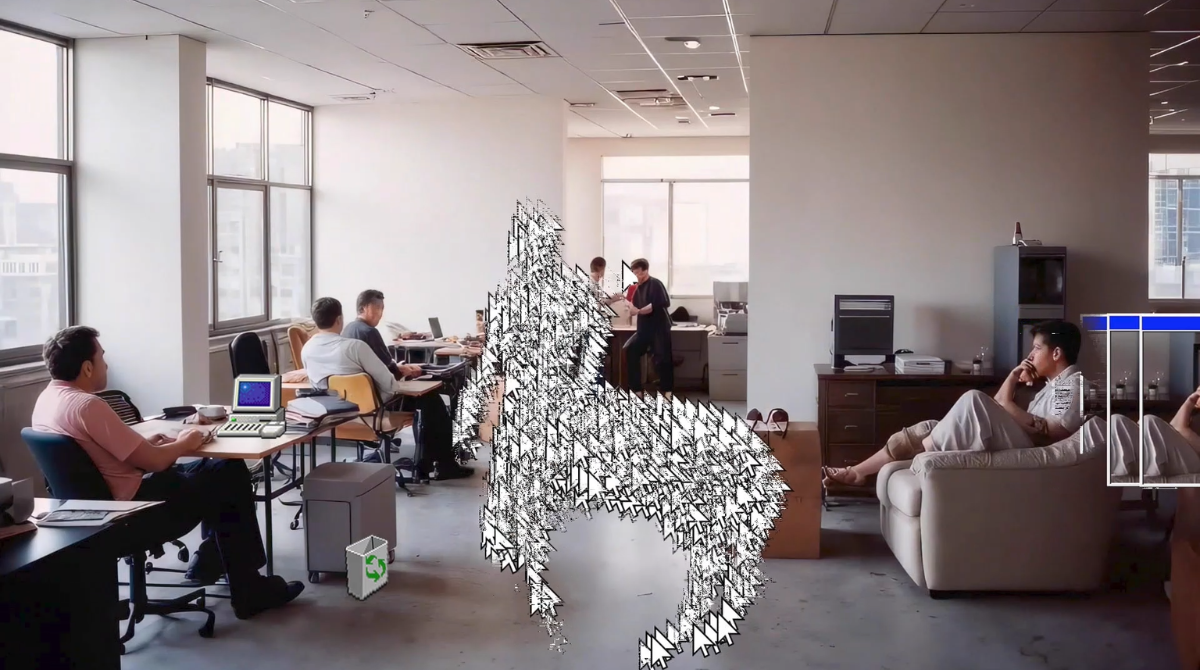
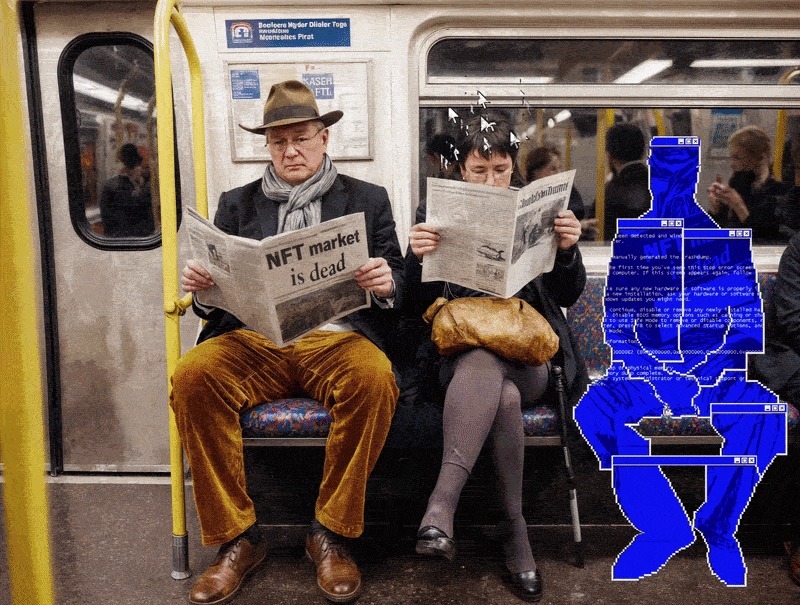
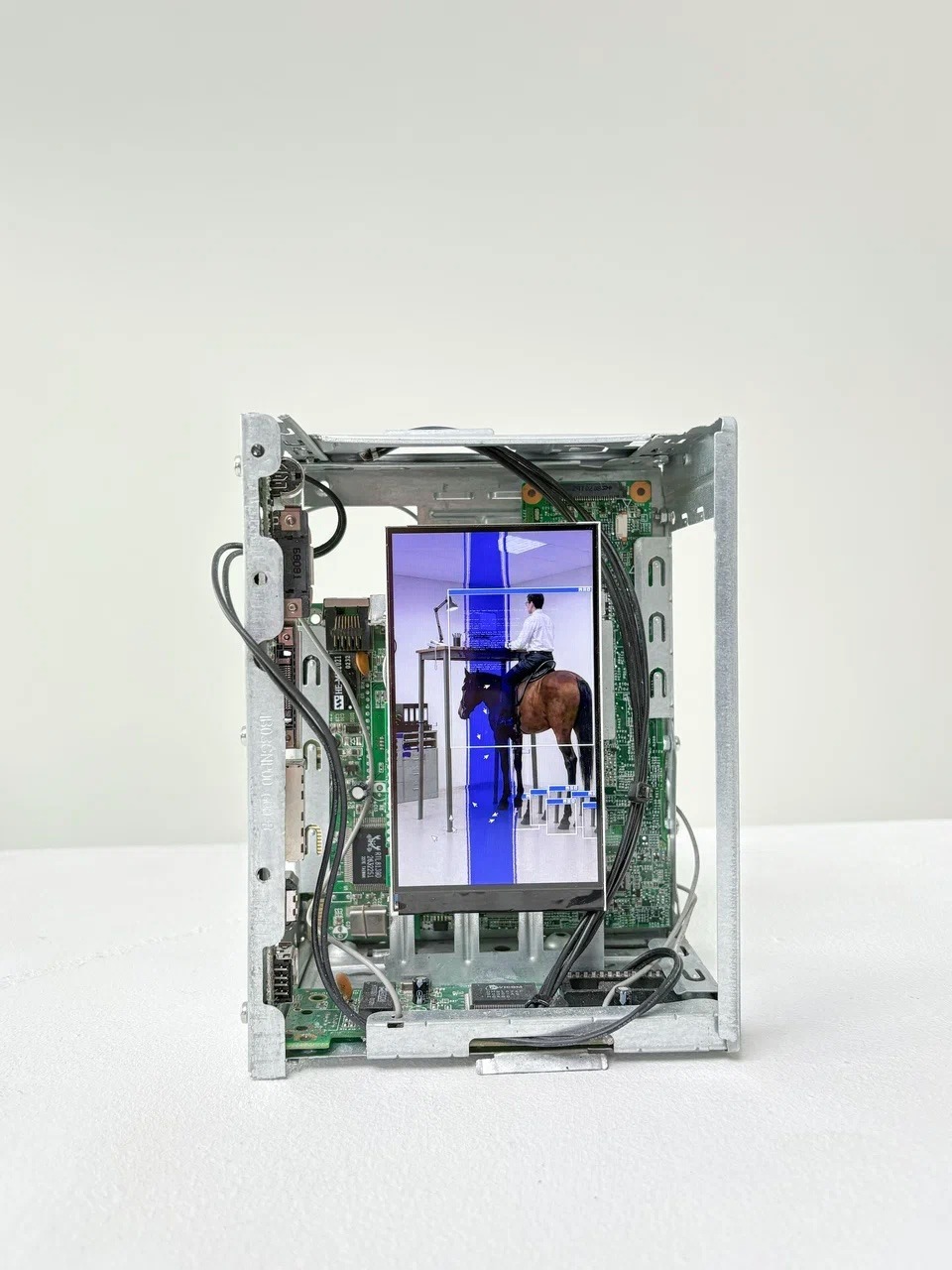
The work returns to outdated interfaces, old hardware, and the blurring line between the physical self and the digital one. Identity is the thread the artist sees running through all of it. In Liquidation, that thread takes the shape of a going-out-of-business sale for an entire office, where the furniture, the job titles, the memories, and eventually the employees get assigned a price, discounted, and written off. We spoke with don't Buy about the name, why the artist looks for a machine's errors instead of its polish, and why the office became the setting for this work.
OpenSea: For people who haven't come across your work yet, how would you describe what you make, and how did you land on working with AI and mixed media the way you do?
don’t Buy: There’s a paradox about art that I really love: it’s completely unnecessary, and yet somehow it’s impossible to imagine human life without it. I guess what I do is create exactly those kinds of unnecessary things.
I’ve been making art for more than ten years, and for most of that time I’ve felt like I was always late to something. When I started painting in 2015, I felt like I had to keep up with endlessly changing trends. Today, technology is moving even faster, but I no longer feel the need to chase it.
So for me, AI is more of a medium or a tool than the main subject. I’m not interested in competing for the most perfect image a machine can produce. While technology is constantly trying to outdo itself, I’m trying to create my own small, personal trend — a space where I feel comfortable working. Not trying to keep up with technology, just trying to make interesting art.
OpenSea: Your name, don't Buy, is hard to ignore for an artist whose work is out there to be collected. Where did it come from, and what does it mean to you?
don’t Buy: At one point, my biggest dream was for my art to be worth something.
When I was a student, some other young artists and I watched a film about Basquiat — his rapid rise, his relationships with collectors, his collaborations with Warhol, the sales, the exhibitions. We were completely obsessed with the dream of somehow getting close to that kind of success. I think almost every young artist, at some point, wants the same thing: to be seen, recognized, and successful.
don't Buy came later, when I realized something quite simple: recognition from the art business doesn’t necessarily mean you’re making interesting art. A work can be worth millions of dollars and still be incredibly boring.
So today, I’m not afraid of being a poor artist. I’m afraid of being a boring artist.
OpenSea: You've said that when a machine makes a mistake, it becomes a little more human. Most AI tools are built to do the opposite and smooth out every error. What draws you to the glitches and the mistakes instead?
don’t Buy: I’m always suspicious of art that knows too well how to please its audience. We tend to like what we’re already familiar with — that’s normal, it’s how human perception works. But my goal isn’t to make the viewer feel comfortable.
Something similar is happening with AI. Most of these tools are constantly learning to hide their own nature: correcting artifacts, removing strange details, making images smoother and more “correct.” It’s almost as if they’re trying to stop looking like themselves.
That’s exactly why I’m interested in the moments when a machine makes a mistake. To me, an error isn’t a defect. It’s a tiny crack through which, for a second, you can see something real — something usually hidden behind this enormous, polished technological facade.
In that moment, paradoxically, the machine becomes a little more human.
OpenSea: Your work keeps returning to retro interfaces and outdated hardware, old monitors, fax machines, the look of early software. What is it about that early digital world that draws you in?
don’t Buy: Memories.
I like returning to things that have already become distant. I think we often only understand the value of a moment after we’ve lost it. When I look at old interfaces, I remember discovering the digital world for the first time. Back then, I had absolutely no idea how enormous it would become or how much space it would eventually occupy in our lives.
More than twenty years have passed, and I still keep returning there. And I’ll probably continue doing so for a long time — sometimes taking the viewer back there with me.
But for me, it has never simply been nostalgia for old technology. When I remember sitting in front of a square CRT monitor, I don’t really remember the monitor itself. I remember what I was looking at through it.
And sometimes the computer would freeze, the screen would go black, and instead of the digital world, for a second I would see my own reflection — a child who had just discovered an entirely new world.
OpenSea: So much of your work sits on the idea that we now live as data as much as we live in our bodies, our accounts, our history, our footprint, to the point where the two are hard to separate. Is that line between the physical self and the digital one something you feel in your own life?
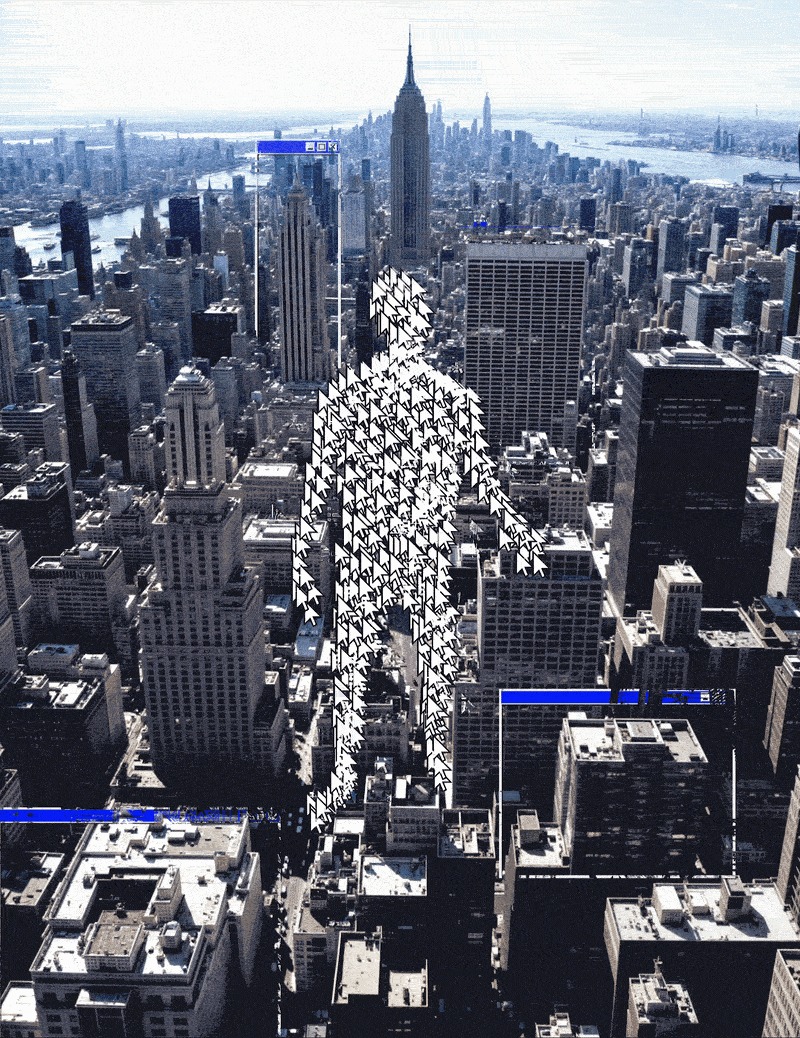
don’t Buy: Every year, it becomes harder for me to understand exactly where that line is. But my physical self hasn’t disappeared. Here I am, sitting and writing answers to these questions, while at the same time keeping in mind that somewhere out there I’m don't Buy — a digital artist made up of artworks, accounts, posts, transactions, conversations, and an enormous amount of data.
And I don’t really share the fear of these two worlds gradually merging. If they’re going to merge, I think they’ll do it without asking for our permission. In a way, it’s already happening.
Sometimes I feel like we’re living at the very beginning of events that, a hundred years from now, could easily be turned into a film about the future — about the complete digitization not only of money, property, or memory, but, in some sense, of the human soul itself.
The strangest part is that, to us, it still looks like ordinary everyday life.
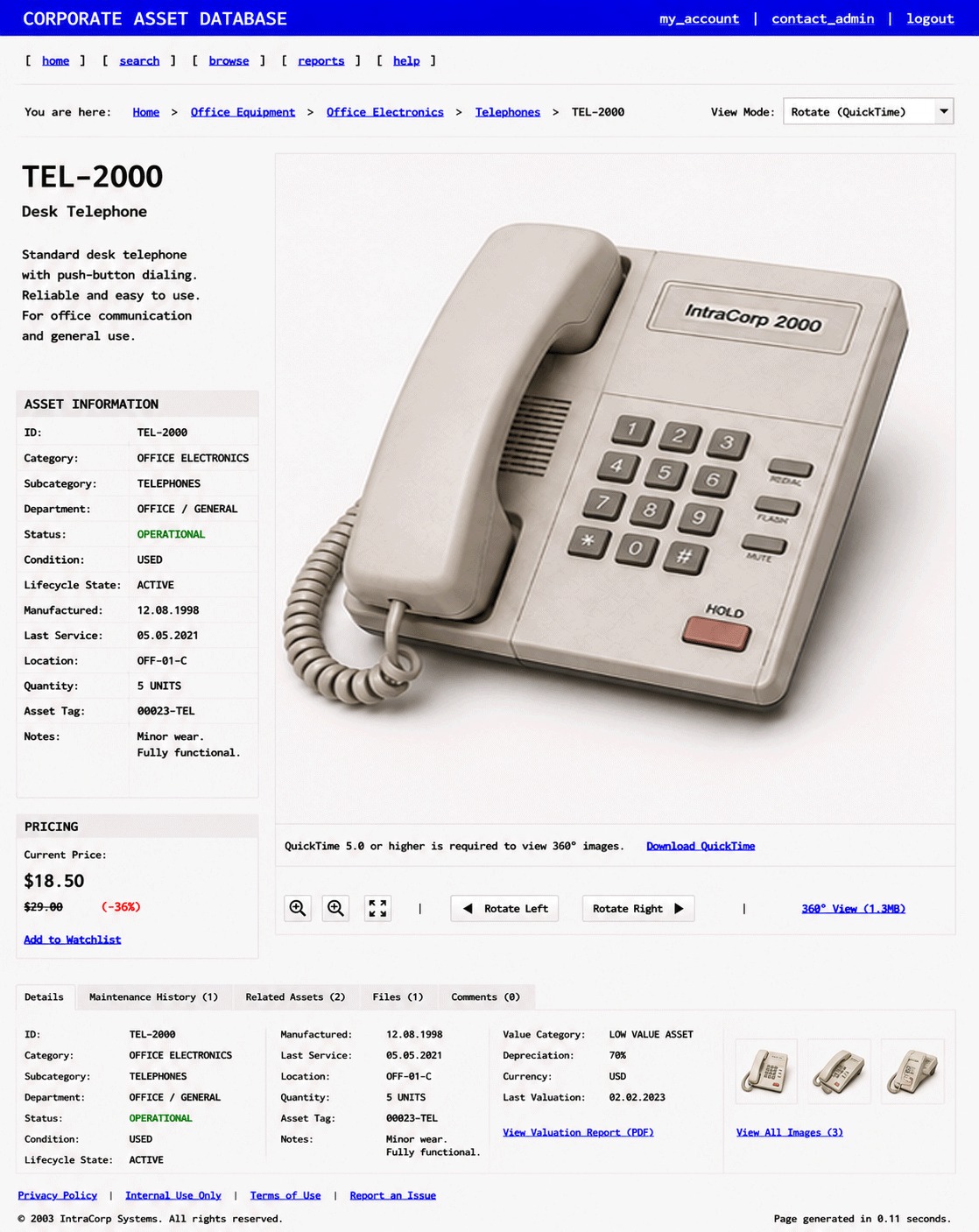
OpenSea: Liquidation reads like a going-out-of-business sale for an entire office, used desks, surplus personnel, obsolete authority, all marked down. What pulled you toward the office and the liquidation catalog as the setting for this?
don’t Buy: Because the office is funny. Sometimes frighteningly funny.
Humanity spent a very long time dreaming about freedom, and somehow a huge part of us ended up inside a system where there’s a meeting at 9:30, a mandatory call after lunch, your clothes are regulated by a dress code, and sometimes even the time you’re allowed to eat is decided in advance. There’s something both completely ordinary and absurd about it.
I feel this especially strongly in the image of the late 20th- and early 21st-century office. It’s a world of enormous desks, fax machines, folders, corporate titles, and rigid hierarchies — almost as if people didn’t yet fully understand what kind of machine they were becoming part of.
I really connect with the way this feeling is portrayed in Severance: the office stops being simply a place where you work and becomes almost a separate system of existence.
Liquidation, for me, is the next stage in the life of that office. The company has shut down, but the system hasn’t disappeared. Now it tries to extract the last bit of value from everything that remains: the furniture, the technology, the job titles, the memories, the human labor — even the employees themselves. Everything becomes an asset that can be assigned a price, discounted, and eventually written off.
So in the end, Liquidation isn’t really about the office itself. It’s about a larger system that knows how to assign value to almost anything — even to things that perhaps should never have a price in the first place.
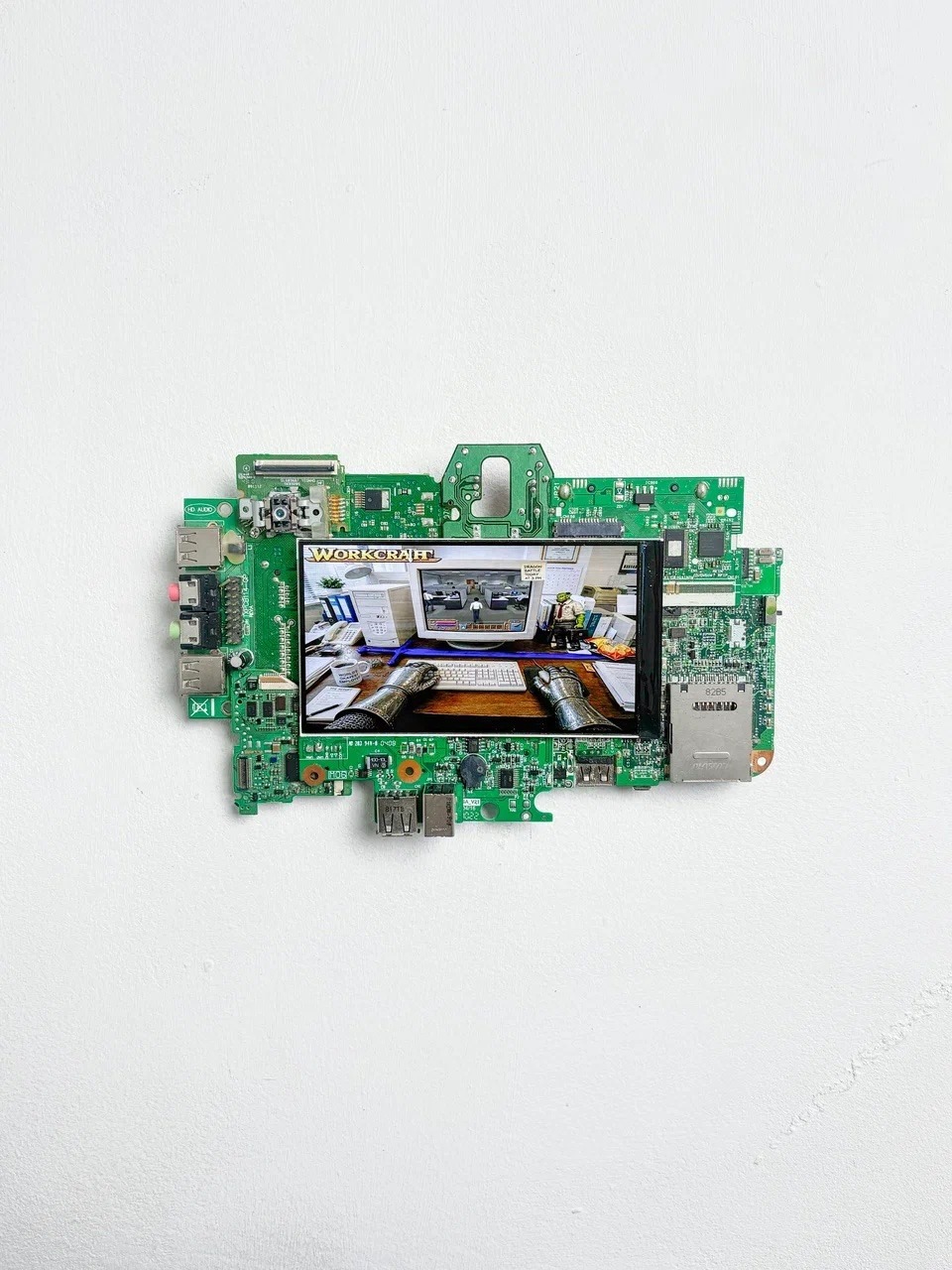
OpenSea: Identity has been the thread running through your work, right up through Liquidation. Do you see yourself staying with that, or are you feeling pulled somewhere new?
don’t Buy: I feel like I want to move forward.
I’m a living person too, and, funny enough, a former office worker. But I don’t want to spend my entire life fighting the system or trying to convince the viewer that the digital world is terrible. At some point, that can become a trap of its own.
Right now, I want to make art that doesn’t just document what’s happening, but can also captivate people, surprise them, and perhaps give them some hope for something better.
I don’t know exactly where that will take me yet. And I like not knowing.
Disclaimer: This content is for informational purposes only and should not be construed as financial or trading advice. References to specific projects, products, services, or tokens do not constitute an endorsement, sponsorship, or recommendation by OpenSea. OpenSea does not guarantee the accuracy or completeness of the information presented, and readers should independently verify any claims made herein before acting on them. Readers are solely responsible for conducting their own due diligence before making any decisions.