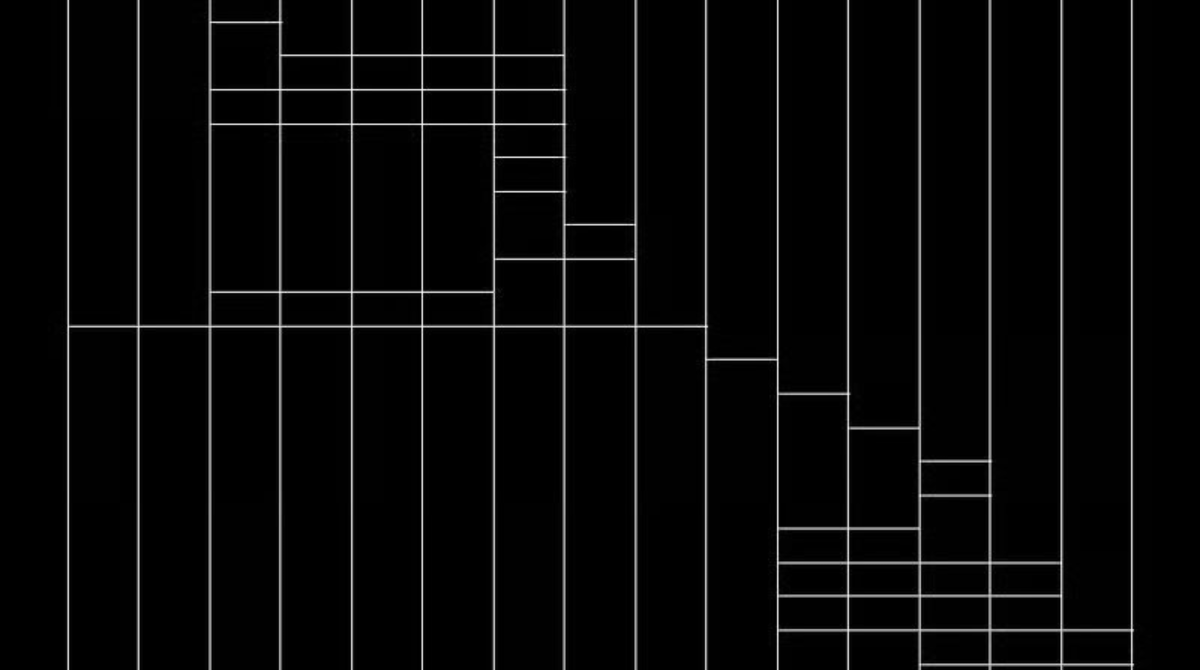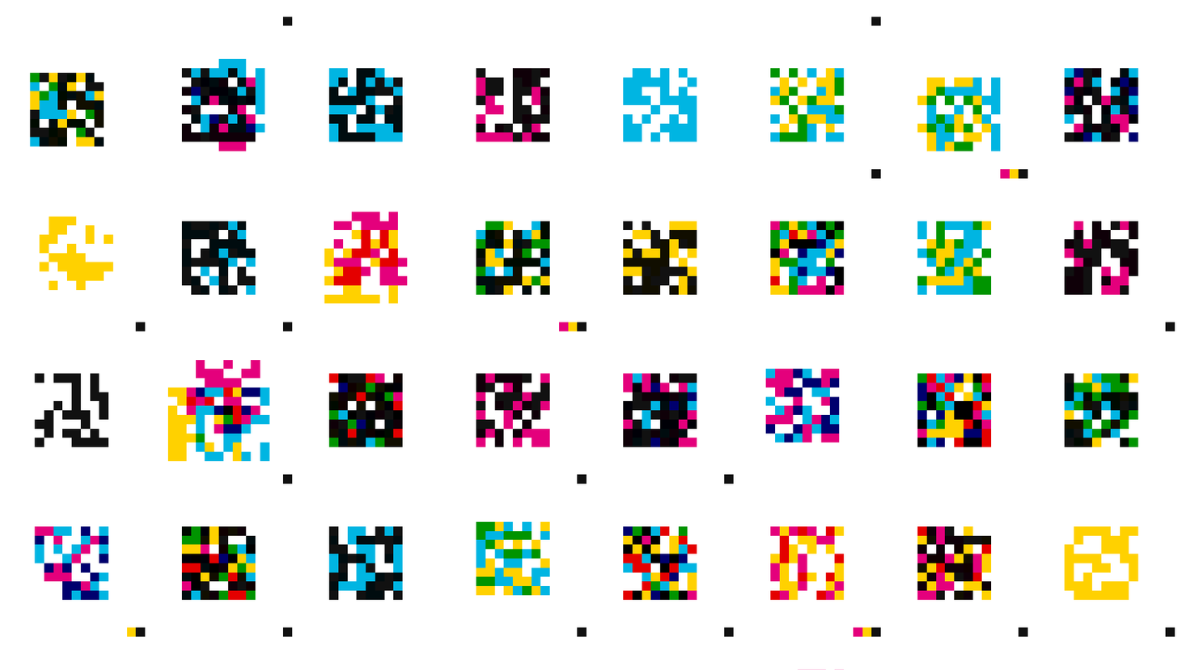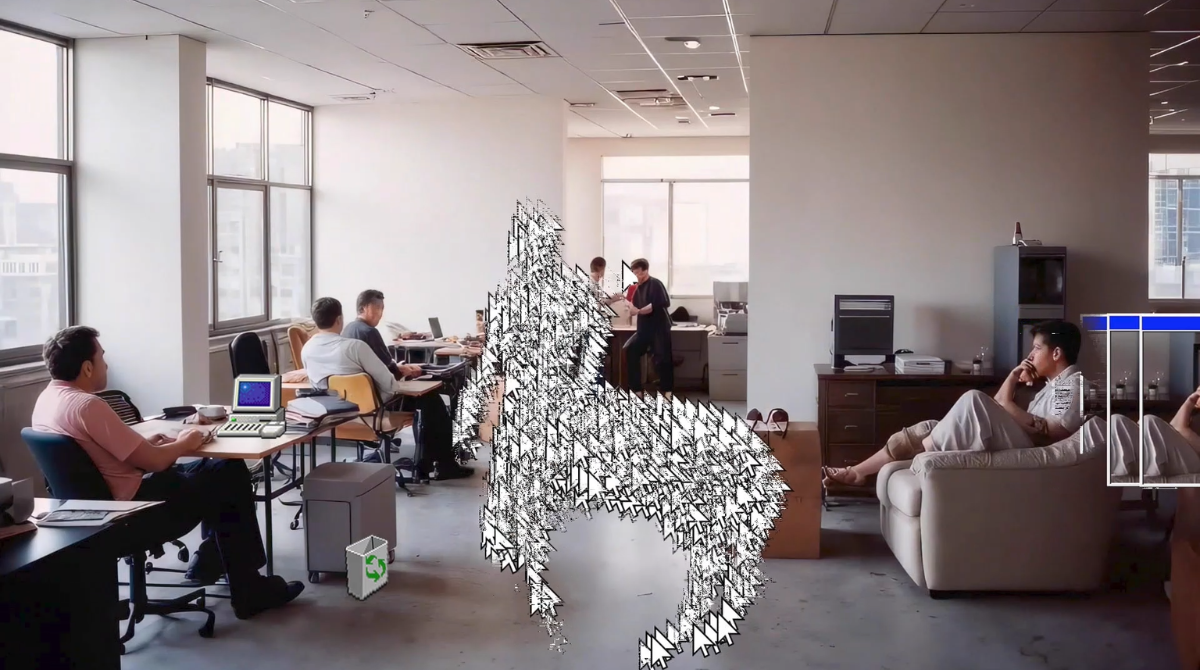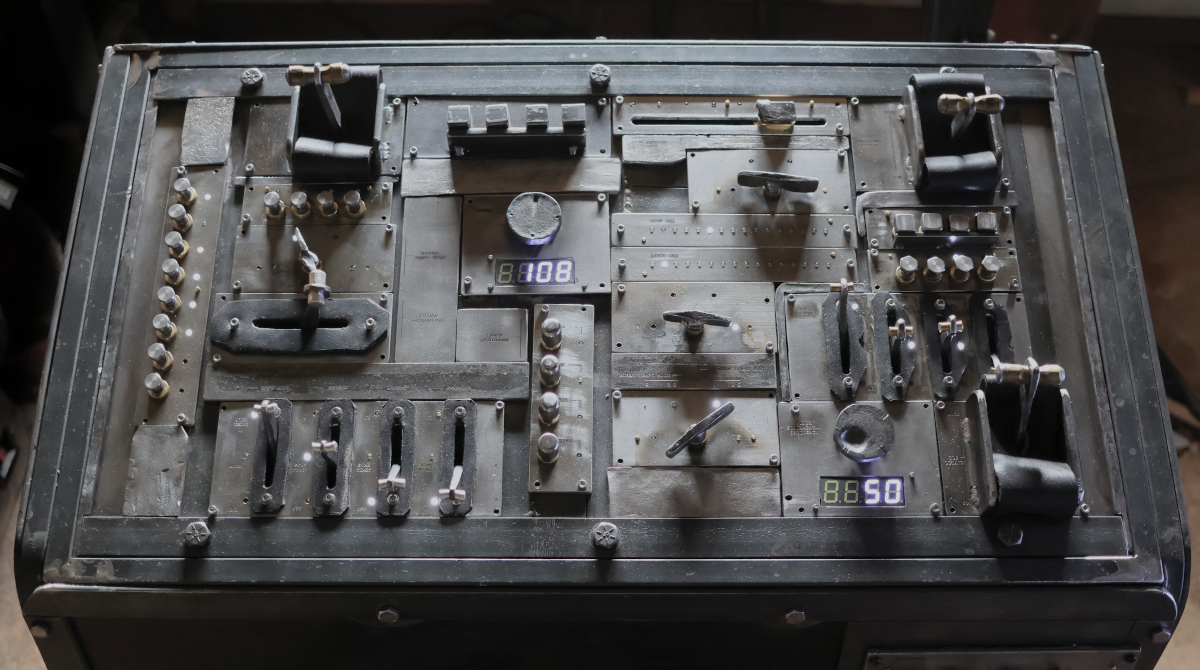
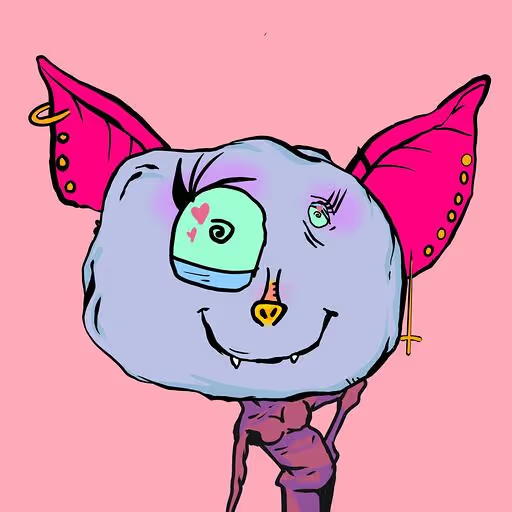
DEAFBEEF works at a rare intersection of digital art, moving between forged steel and low-level C code with fluency. Before minting generative work on Ethereum, he started working with metal 15 years ago after seeing Arthur Ganson's kinetic sculptures. His work now centers on self-contained programs stored directly onchain, with music built from code written entirely from scratch. In March 2021, DEAFBEEF released Synth Poems, a series OpenSea recently added to its Flagship Collection.
In this conversation we sit down with DEAFBEEF to discuss what blacksmithing and programming have in common, why he chose to make music from nothing instead of buying gear, and the idea of storing work on Ethereum so it can be rebuilt even if every server disappears. We also get into the Zero 10 presentation in Basel, the crowd-played Glitchbox installation, and what an art fair can offer that the internet can't.
OpenSea: Before DEAFBEEF, you were making steel wedding rings and selling them on Etsy. What made you pick up a C compiler alongside the hammer in 2020, and did the two ever feel like the same job?
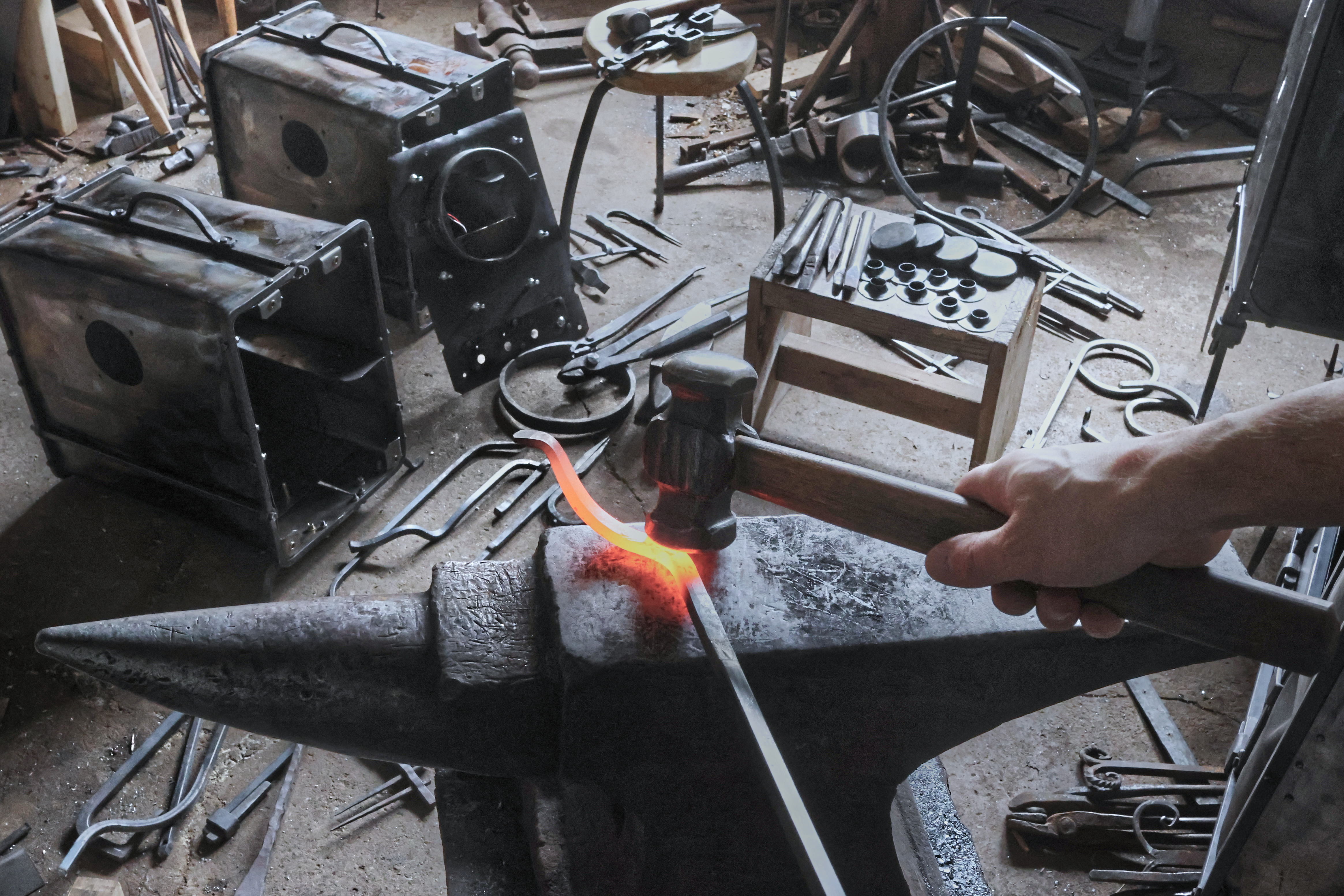
DEAFBEEF: I learned to program as a kid after being inspired by procedurally generated roguelike dungeon crawlers. It was 15 years ago that I started working metal after seeing the kinetic sculptures of Arthur Ganson. Forging metal and writing low level code might appear to be very different activities, but there are some reasons why I feel drawn to both. Blacksmiths and programmers both make their own tools. Whether it's iron or code, there is a feeling of agency in working with a fundamental, almost primordial material.
OpenSea: You've described your setup as an ascetic response to synth culture, using "nothing" to make music rather than buying gear. Years in, has that constraint ever felt limiting, or does it keep getting more generative?
DEAFBEEF: In another life as a sound recording engineer, I'd already had the experience of spending a lot of money on gear in search of some holy grail of tone. It's an easy trap to fall into: instead of thinking about what to say, one can have the illusion of productivity from gathering and optimizing equipment and setup. I think it's a common behavior, we see it now with agentic coding as well (endless tweaking and optimizing, building nothing but productivity tools).
I saw something similar in the modular synth culture of the time, and decided to steer the other way by writing sound synthesis code from scratch. It's slower, but I wouldn't call it limiting. The results, whether better or worse, are unique to one's personal process. There's nothing you can buy to achieve that.

OpenSea: Your whole practice is built around permanence, storing self-contained C code on Ethereum so a collector could rebuild the work even if every server disappeared. Where does that instinct come from? Is it engineering caution, or something more personal?
DEAFBEEF: I'm not as concerned about permanence as many would presume. Heidegger distinguishes between objects and things. I'm not looking to make permanent artifacts or monuments. Originally the choice of process was because I want my materials to remain animate so that when I can find the time, it can be spent usefully transforming them. I want them to remain things. Rather than being reduced to dead relics through a treadmill of fast changing technology, obsolescence, incompatibility. The idea is that I want to retain agency.
OpenSea: At Zero 10 in Basel, your presentation with Asprey Studio, Matter and Signal, brought together blacksmithing, audio, and code. What did you want people to take away from seeing those side by side?
DEAFBEEF: It's a constellation of meaning that I'm still discovering for myself. To think about the duality between discrete symbolic information versus its physical embodiment in the sensuous world. Through interaction with anachronistic assemblages, to imagine alternative technological futures and question the notion of a linear progression. To consider that tactility and craft take on new meaning in an age of generative media.

OpenSea: Glitchbox let fair visitors play the work like an instrument, with their adjustments written permanently onchain. How does it feel handing that kind of authorship to strangers, and did anyone surprise you?
DEAFBEEF: You make it sound like I handed them a gun [laughs]. I think strangers can be trusted with the authorship to push buttons and make sounds.
What encouraged me was seeing the variety in people's approaches and reactions, especially across age groups. Kids have less inhibition, it's nice to watch. On the other hand, my favorite reaction from adults who donned the headphones was laughter. They were tickled by a tactile sound experience that was unexpected and absurd.
OpenSea: You shared a stage in Basel with Auriea Harvey and Rafael Lozano-Hemmer for a panel called "How're You Supposed to Pay the Rent These Days?" What stuck with you from that conversation?
DEAFBEEF: Difference in goals and approaches. Rafael runs a studio with employees, I work alone, and Auriea has at times done both. We've all negotiated the balance differently; there's no "one size fits all." At the same time, it was interesting that we had all at some point in our lives earned income as independent web programmers, until that became unfeasible due to changing technology and economics.
OpenSea: You told The Art Newspaper the fair is "just another way of communication," while you keep releasing NFTs directly to collectors. What can a place like Art Basel do for your work that the internet can't, and vice versa?
DEAFBEEF: It's a different audience concentrated temporarily in one physical place, which can lead to many positive interactions. I had many conversations across a wide range of people including artists, curators, collectors that don't have an online presence in our digital communities [crypto-NFT twitter and Discord]. On the flip side, shipping and travelling to physical spaces is expensive and time consuming. Seeing up close the economics of an art fair can really make one appreciate the benefits of art communities operating through online virtual spaces and digital ownership.

OpenSea: OpenSea recently added Synth Poems, your genesis series from March 2021, to its Flagship Collection. When you minted those first pieces, did you have any sense they'd be seen as cultural artifacts years later, and what do they mean to you now?
DEAFBEEF: Of course not. It's a very strange thing that happened under weird circumstances. To me personally, they are a record of my journey and when I listen to them they strongly remind me of how it felt at that time, when I'd first discovered digital art communities on Ethereum, when everything felt new. For that reason they are special to me.
Disclaimer: This content is for informational purposes only and should not be construed as financial or trading advice. References to specific projects, products, services, or tokens do not constitute an endorsement, sponsorship, or recommendation by OpenSea. OpenSea does not guarantee the accuracy or completeness of the information presented, and readers should independently verify any claims made herein before acting on them. Readers are solely responsible for conducting their own due diligence before making any decisions.